



What got us here
1927 — Beyond
Will take
us further.
+
Since 1927 · Pousada de Saramagos
1927 - 2027
What got us here
1927 — Beyond
Will take
us further.
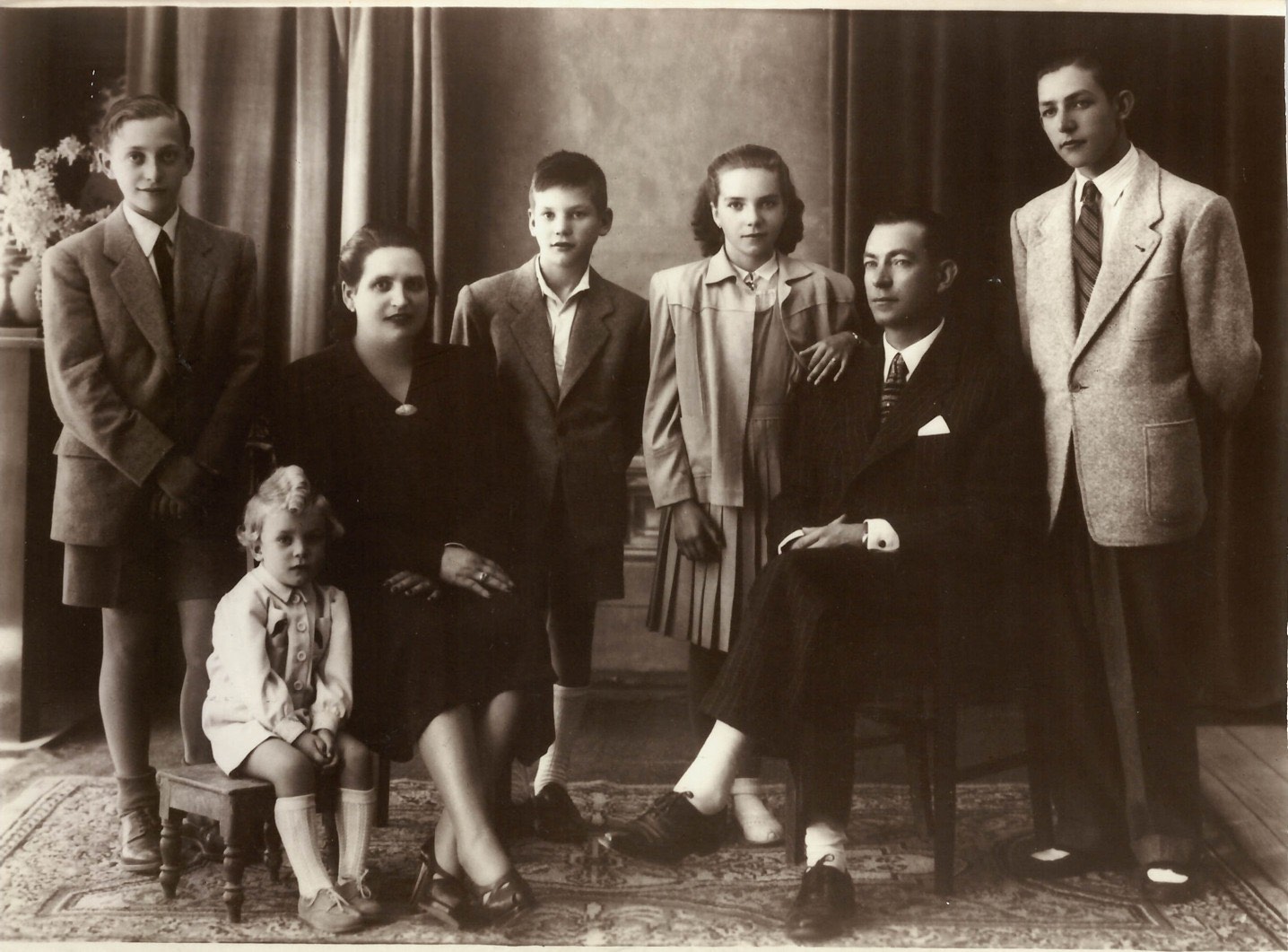
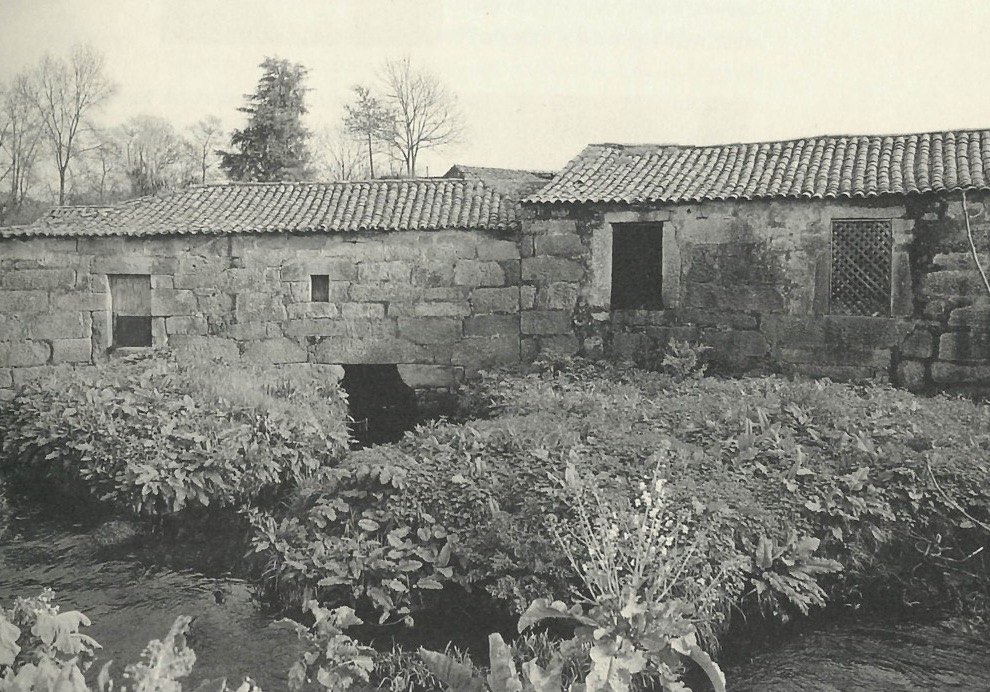
Riopele’s story begins on the banks of a river, in a region of Portugal that was only just beginning to discover its industrial vocation.
José Dias de Oliveira
José Dias de Oliveira
José Dias de Oliveira leased an old mill, installed two looms and started producing durable cotton fabrics — drills and striped weaves — for a market that was still taking shape, yet already showed great potential.
The following decade marked
a period of consolidation
In 1933, the company relocated its facilities and, the following year, officially adopted the name Fábrica de Tecidos do Rio Pele.
Five years later, it had established itself among Portugal’s 68 “complete textile mills”, employing 136 workers, supported by a small administrative team and an increasingly structured production operation.
By the late 1940s, Riopele embraced innovation.
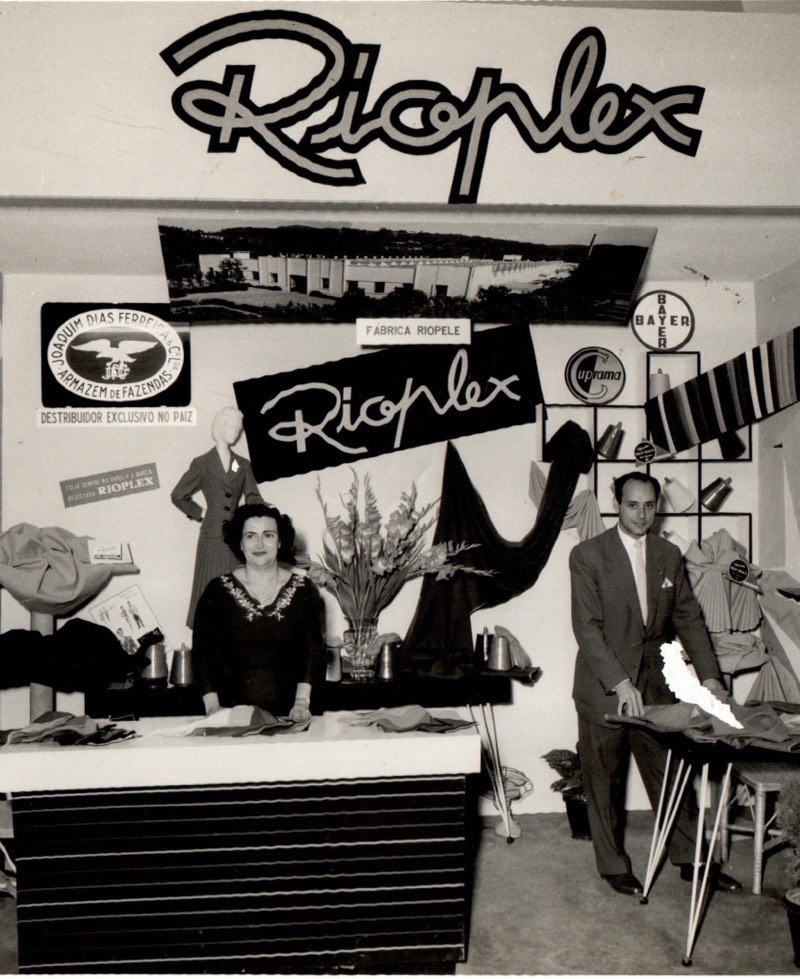
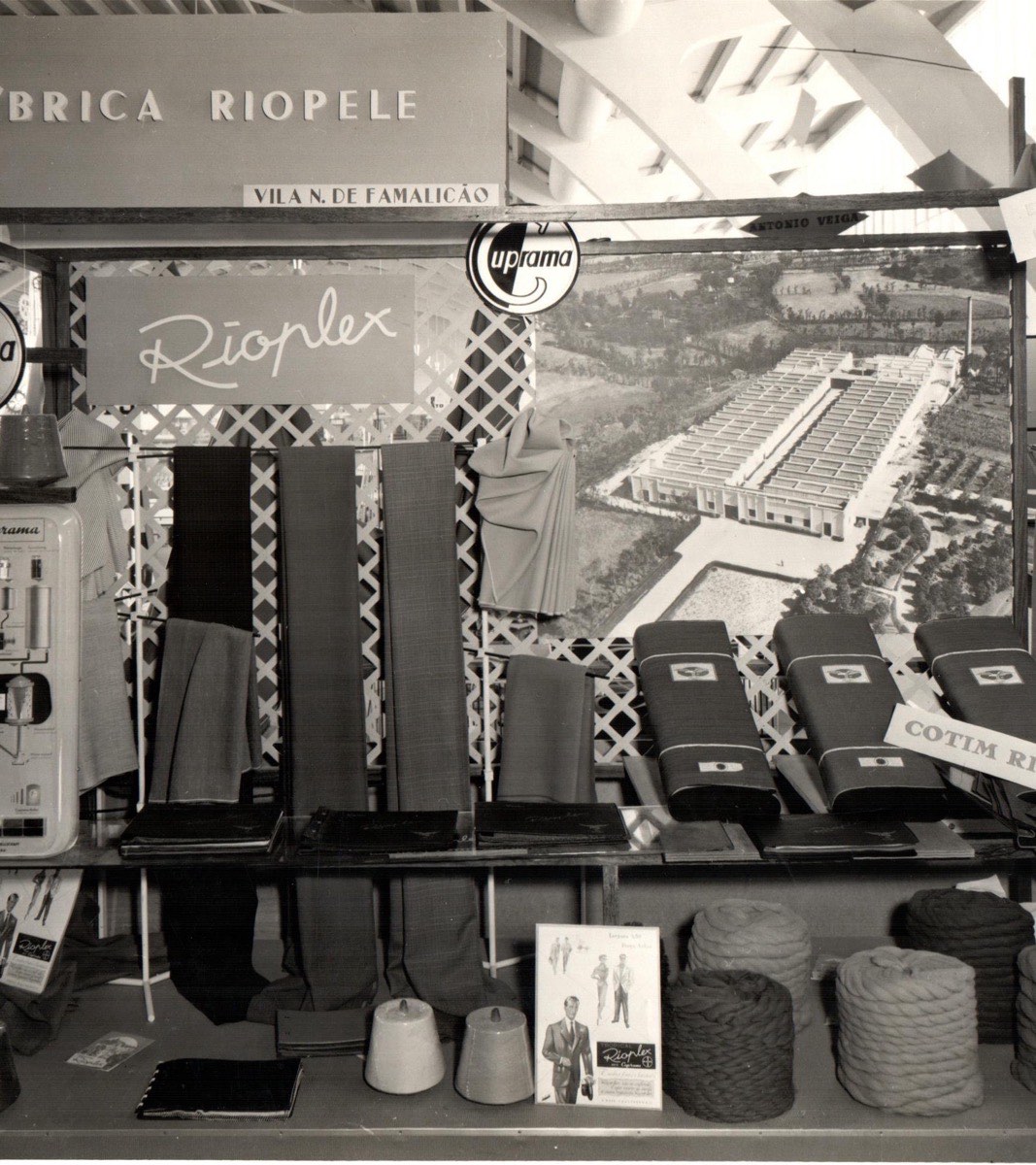
José Dias de Oliveira invested in a fibre that had been rejected by several manufacturers in Portugal - Cuprama, developed by Bayer - securing its exclusive rights in the country.
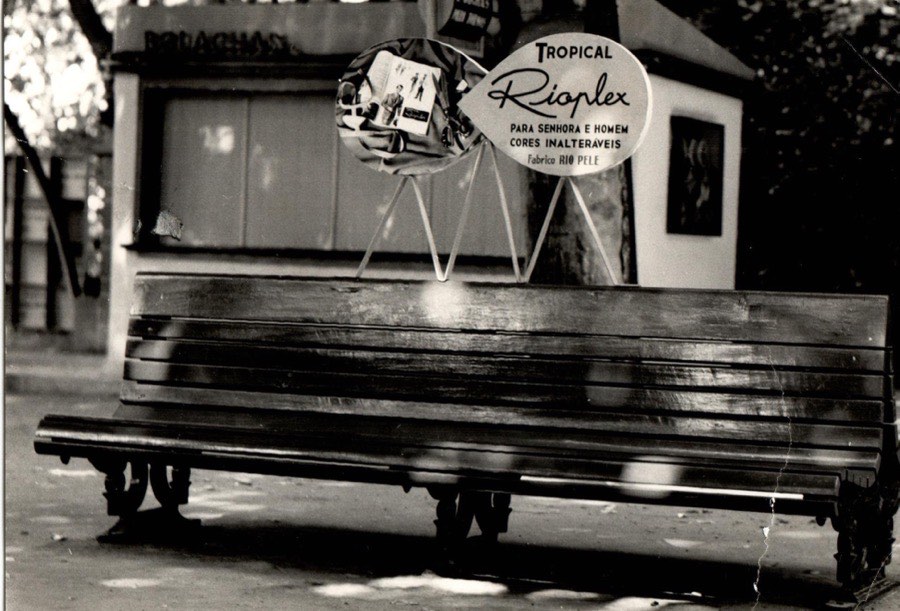
In 1952, Rioplex was launched. Thanks to its quality, colours and distinctive patterns, these fabrics gained widespread market recognition and gradually replaced traditional cotton.
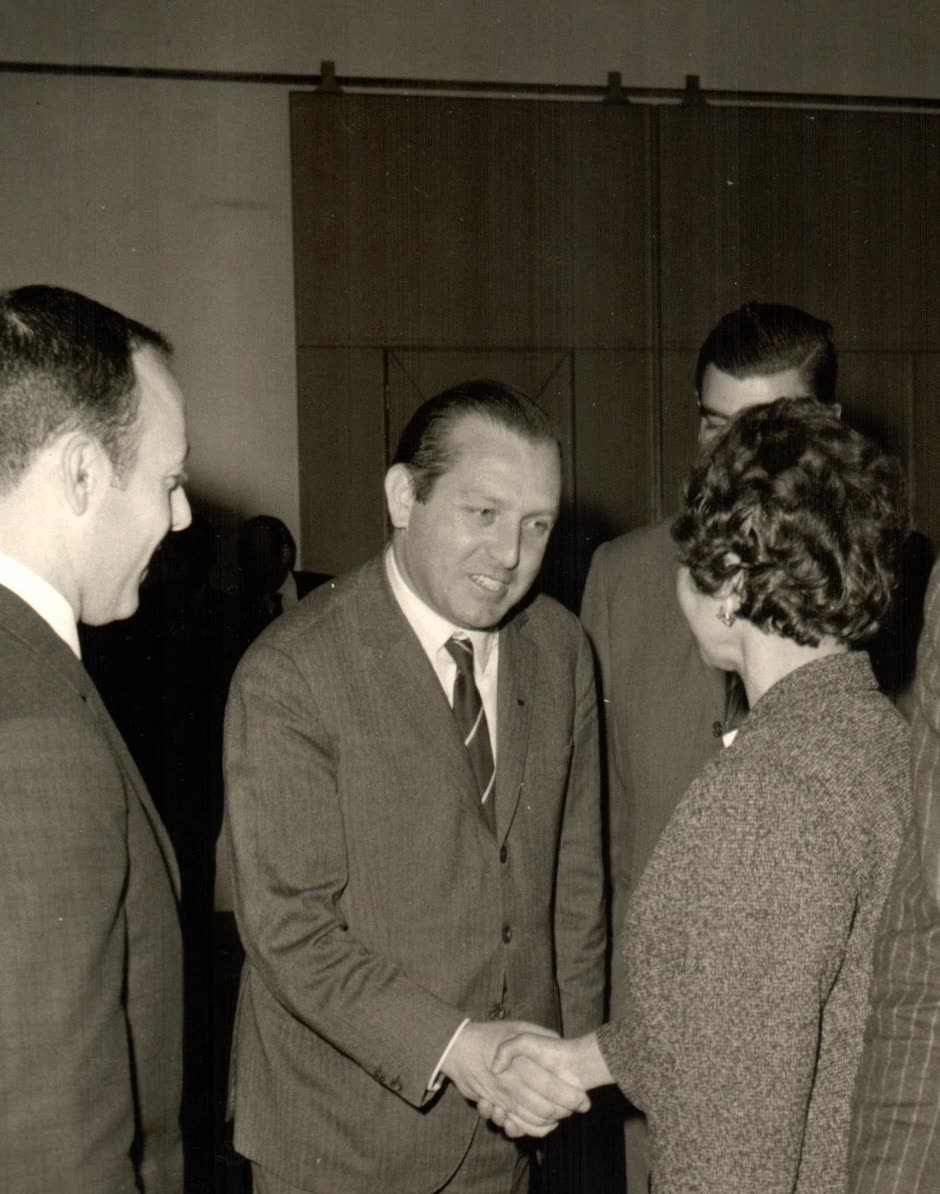
Following the unexpected death of the founder, his eldest son, José da Costa Oliveira, assumed the leadership of Riopele alongside his mother, Olinda Reis de Oliveira.
From an early stage, he demonstrated a strong commitment to innovation. During the 1960s, he invested in synthetic fibres such as polyester and developed new fabrics, including Texlene, anticipating the evolution of the textile industry.
By 1972, under his leadership, Riopele had become one of Portugal’s leading exporters, ranking 9th overall and 2nd in the textile sector.
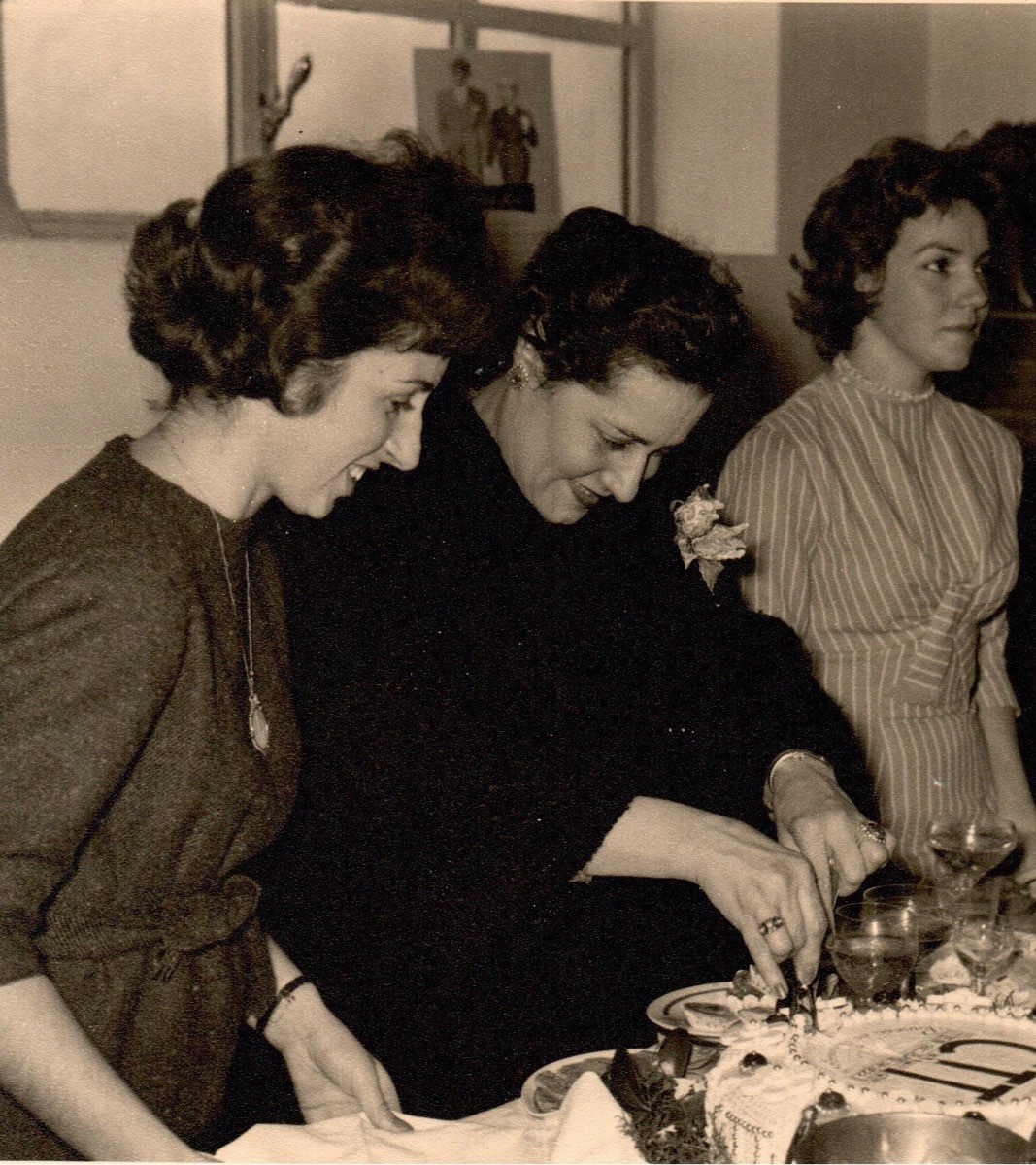
Riopele acquired a plot of land opposite the factory and donated it to CTT (Portuguese Postal Service) for the construction of a post office in Pousada de Saramagos.
In a region still marked by limited infrastructure, this initiative made everyday life easier for both the company and the local community. Today, the post office remains in operation as a lasting symbol of Riopele’s commitment to local development.
On 14 September, the José Dias de Oliveira Sports Park was inaugurated, expanding the Oliveira family’s vision of social responsibility.
With sports facilities and community support, it became a local
hub that continues to serve the community to this day.
That
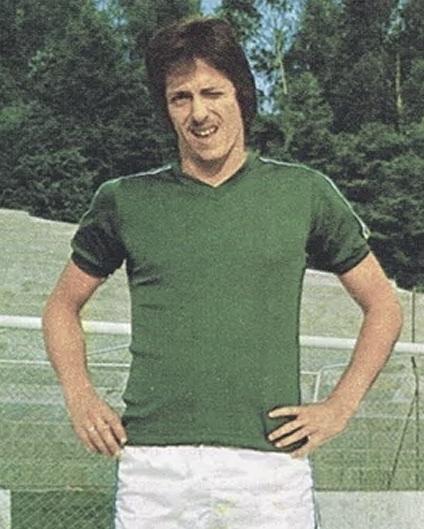
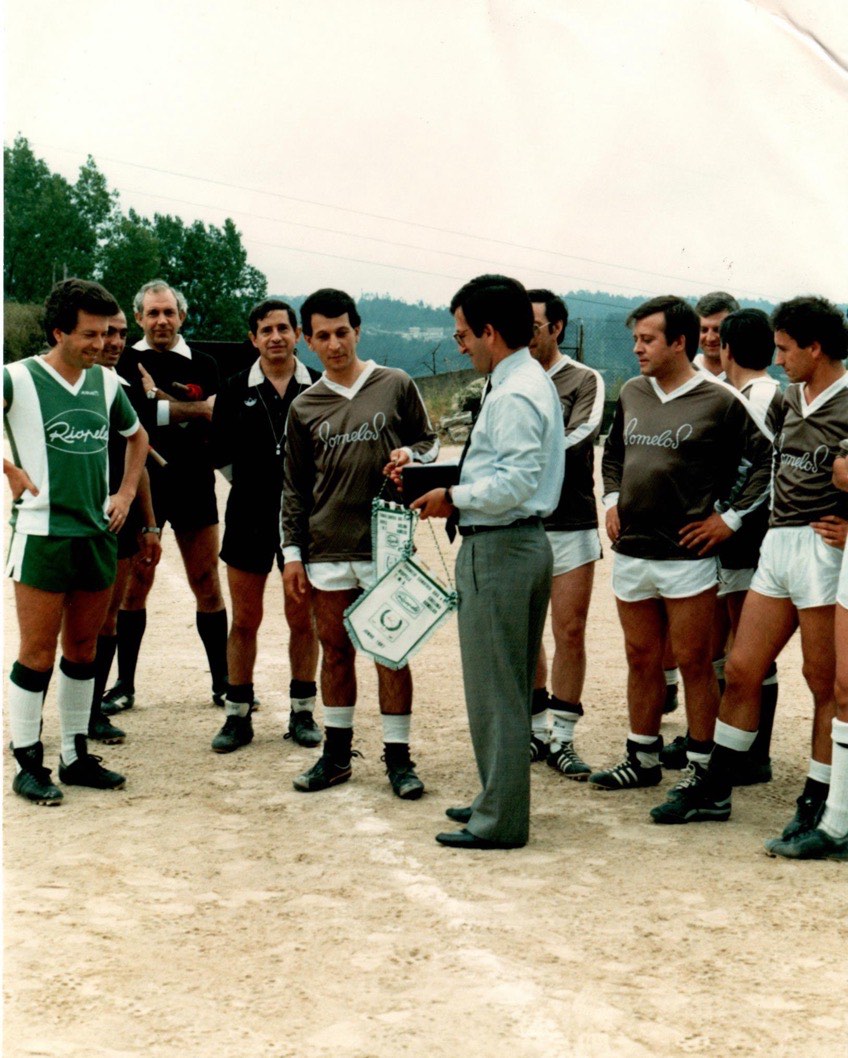
same year, Grupo Desportivo Riopele was founded by the
company’s management and employees. A true factory club
and a pioneer in Portugal, it was the first to feature
sponsorship branding on its kits. The club stood out in the FNAT
championships, reached the First National Division, and left a
lasting mark on Portuguese football. Although it was dissolved
in 1984, it remains an important part of the country’s
sporting history, having launched notable figures such as Jorge
Jesus, Piruta, and Vital.
The creation of an export department and the development of an international network of agents led, by 1962, to around 50% of Riopele’s sales being exported. This process had begun in 1958 with exports to Scandinavia and marked the beginning of the company’s strong export-driven strategy, a defining characteristic of Riopele from its earliest years.
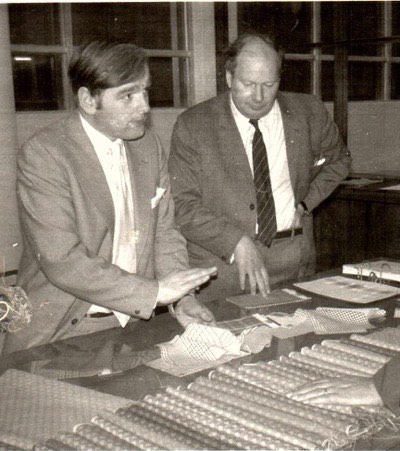
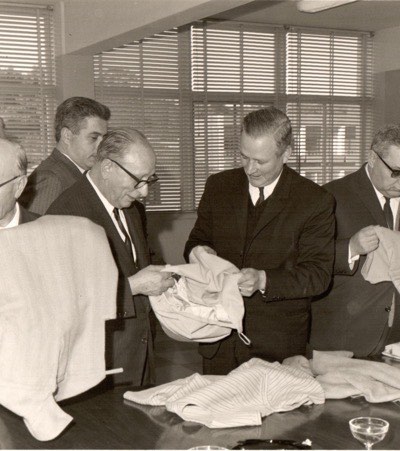
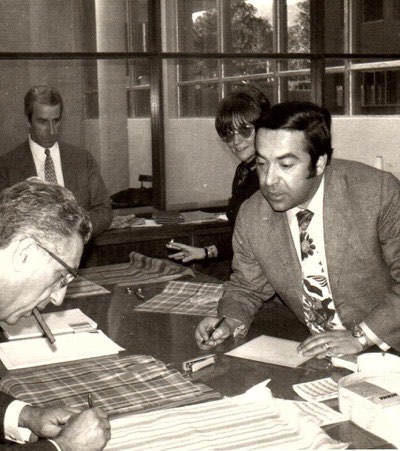
During the 1960s, the fashion industry underwent a revolution with the rise of ready-to-wear.
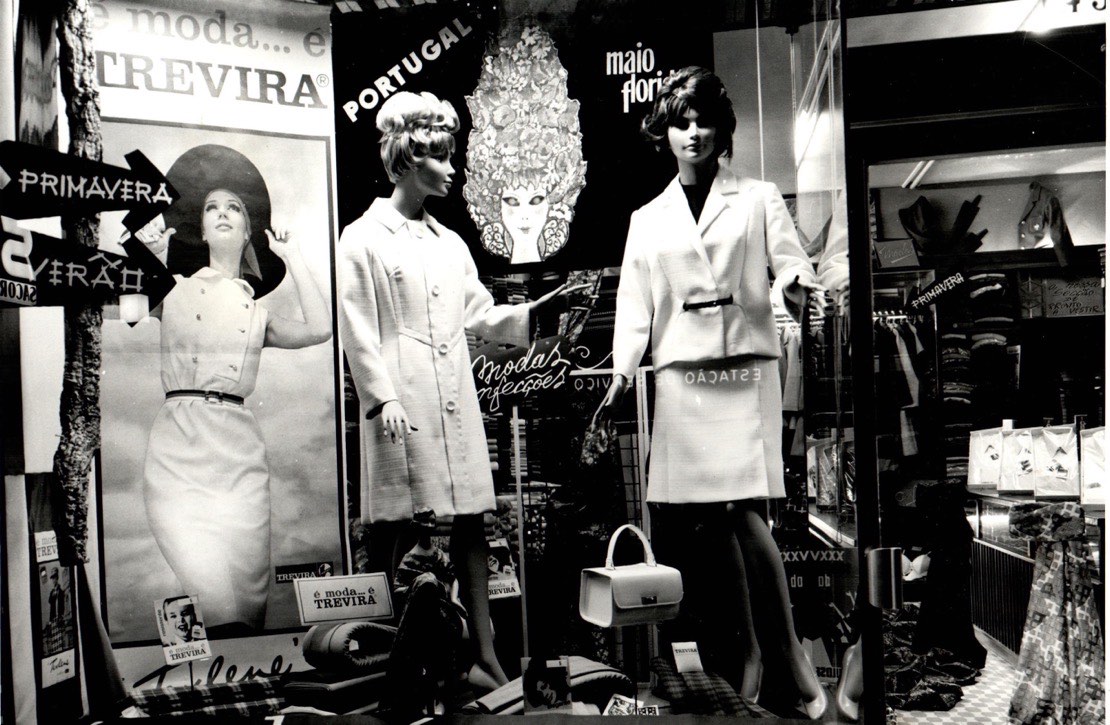
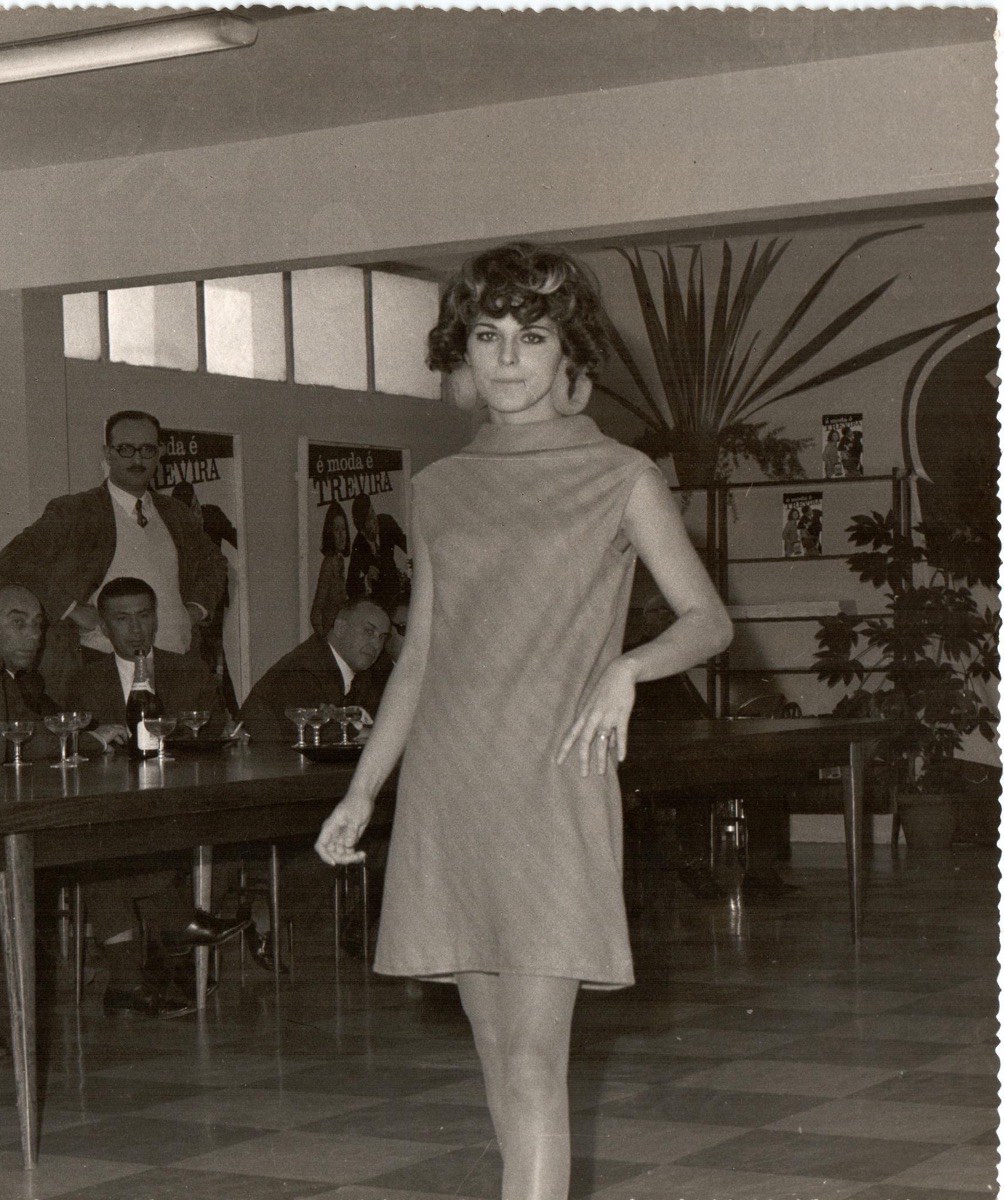
It was in this context that Riopele launched its Texlene-Trevira fabric collection.
Texlene combined technical innovation with ease of use: durable, practical and requiring minimal care. Its global success was immediate, making it the fabric of choice for a new way of dressing — simpler, more modern and aligned with the growing movement of women’s emancipation.
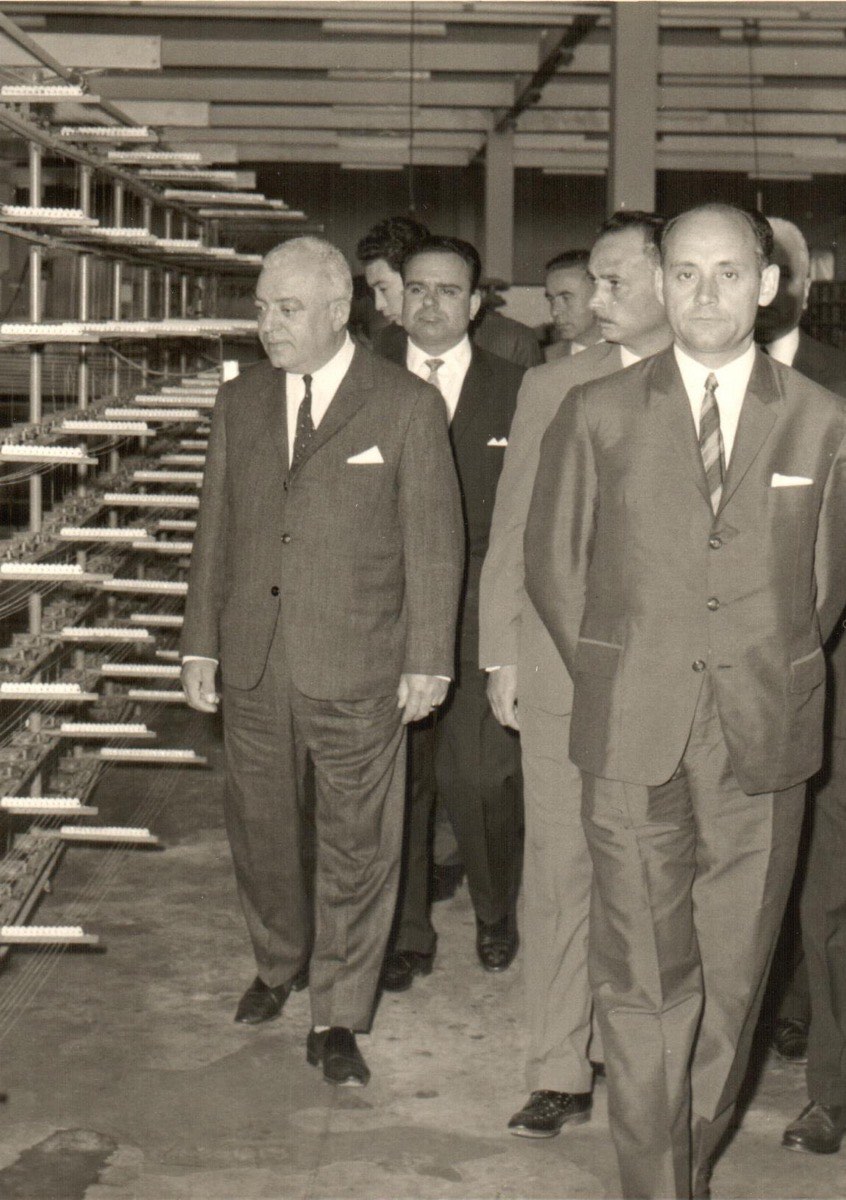
On 16 October, Riopele inaugurated its new facilities, where the company continues to operate today.
This milestone marked the consolidation of its industrial growth, supported by strong production capacity and a clear export-oriented strategy. Three modern manufacturing units established Riopele as one of Europe’s leading producers of fabrics made from man-made fibres.
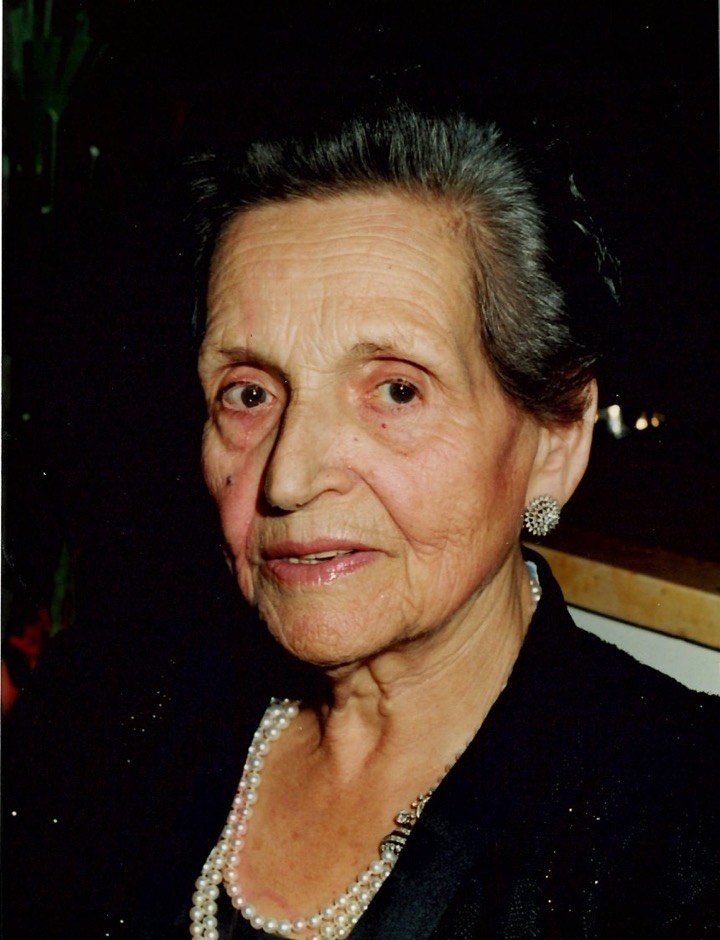
Closely involved in a number of social initiatives, Olinda Reis de Oliveira spearheaded the construction of a neighbourhood comprising 20 houses for Riopele employees in Pousada de Saramagos.
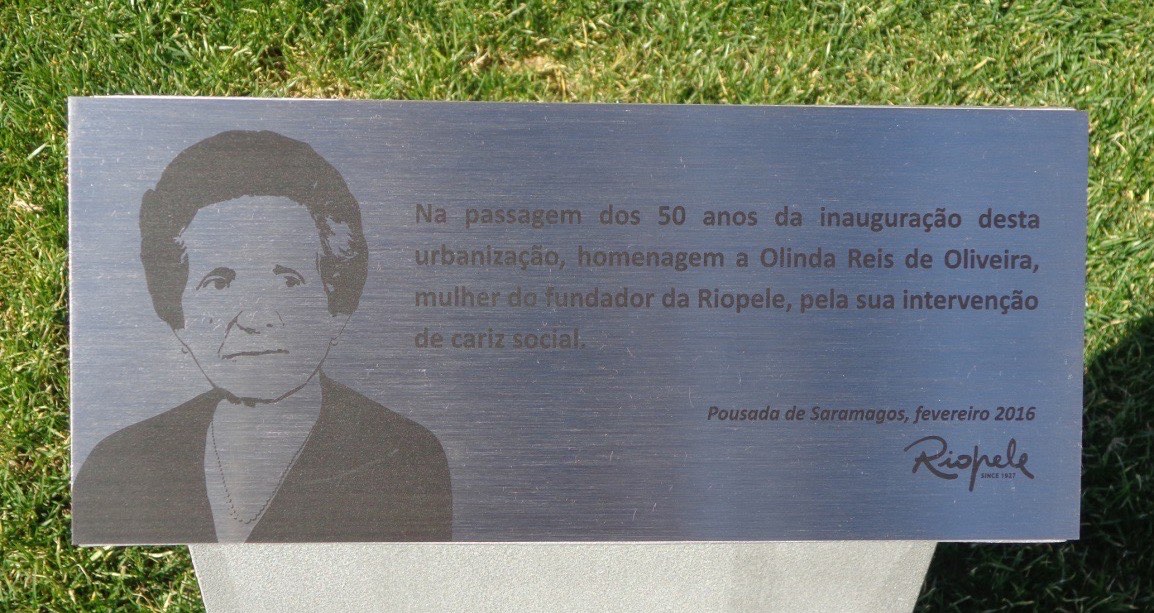
Inaugurated in 1965 by the then President of the Portuguese Republic, Américo Tomás, Bairro Dona Olinda became a symbol of the company’s commitment to social responsibility.
Decades later, in 2015, the neighbourhood was fully rehabilitated by Riopele, with structural improvements and new infrastructure, preserving its strong connection to the local community.
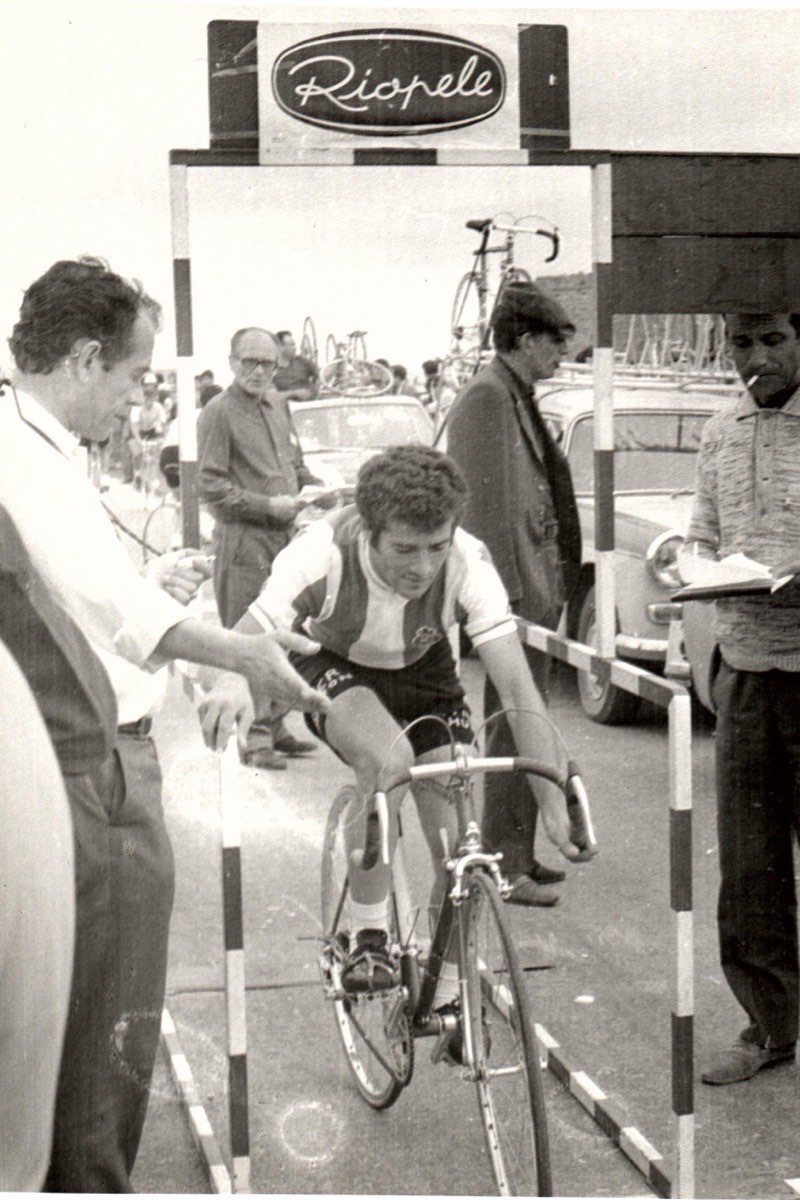
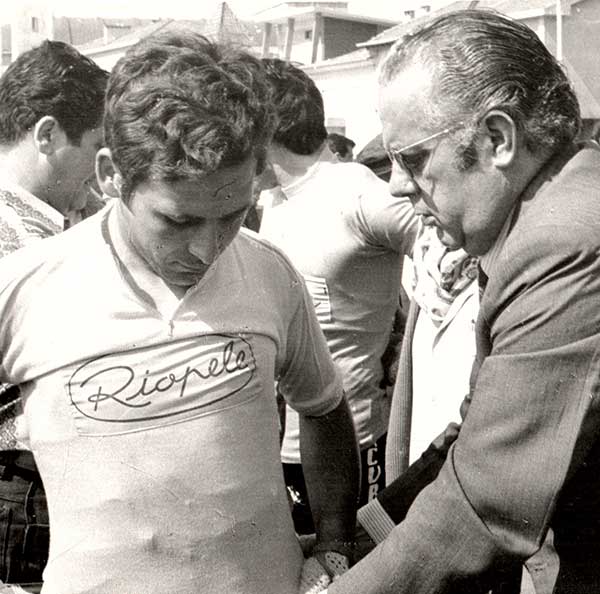
Riopele entered the world of cycling, associating Texlene with one of the country’s most popular sports.
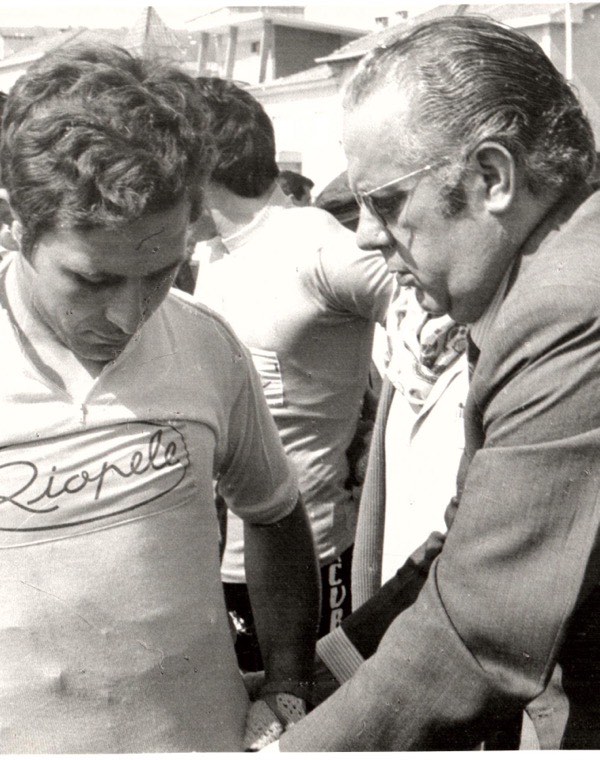
In partnership with Futebol Clube do Porto, it created the Porto–Riopele–Texlene cycling team, which quickly gained national prominence, notably with its collective podium finish at the 1969 Volta a Portugal.
More than a sporting sponsorship, cycling became an extension of the brand. The athletes’ performance reflected the durability and innovation of Texlene. Between 1969 and 1972, the company also organised the Grande Prémio Riopele, won in its inaugural edition by Joaquim Agostinho, reinforcing Riopele’s lasting connection to sport and the community.
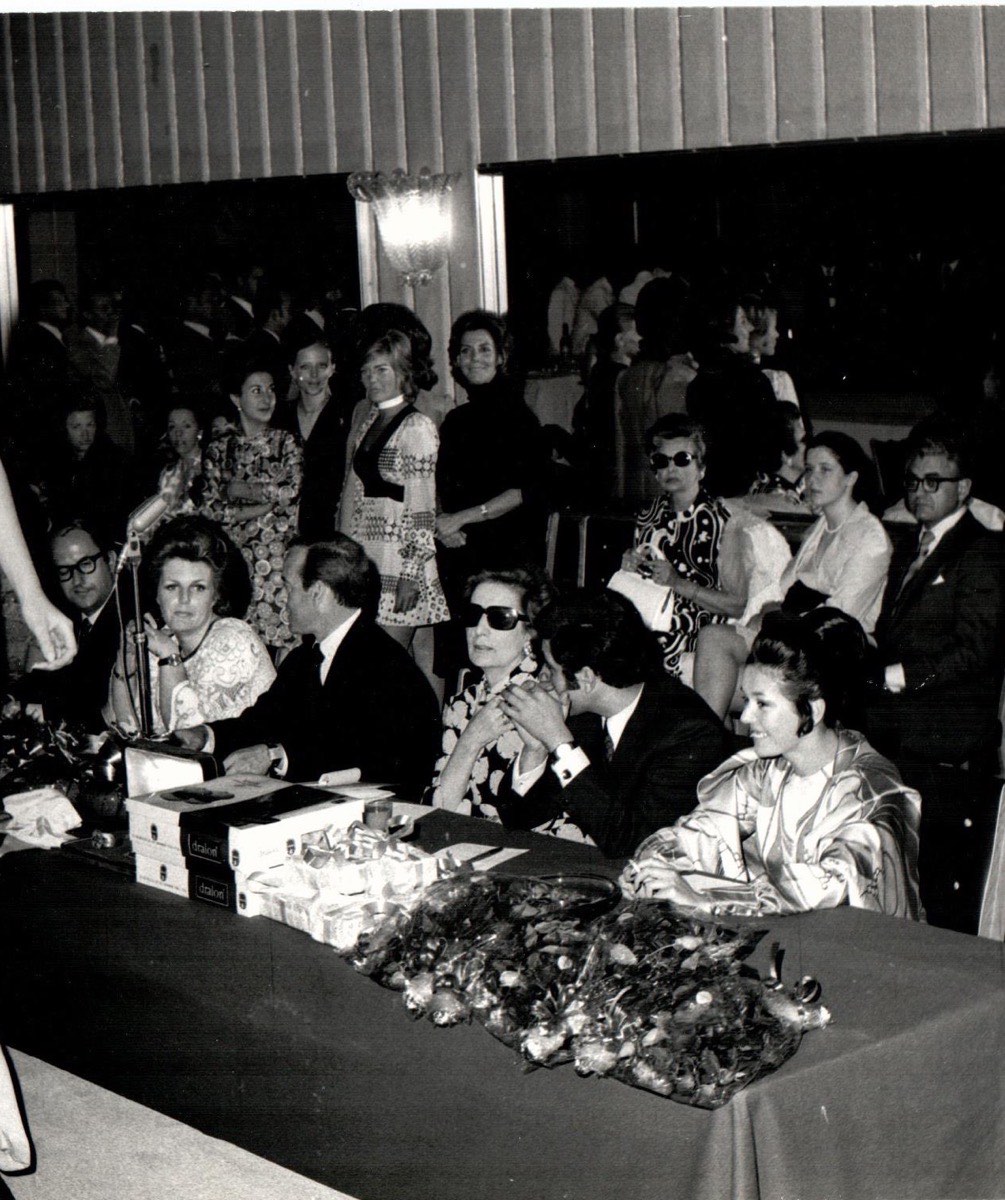
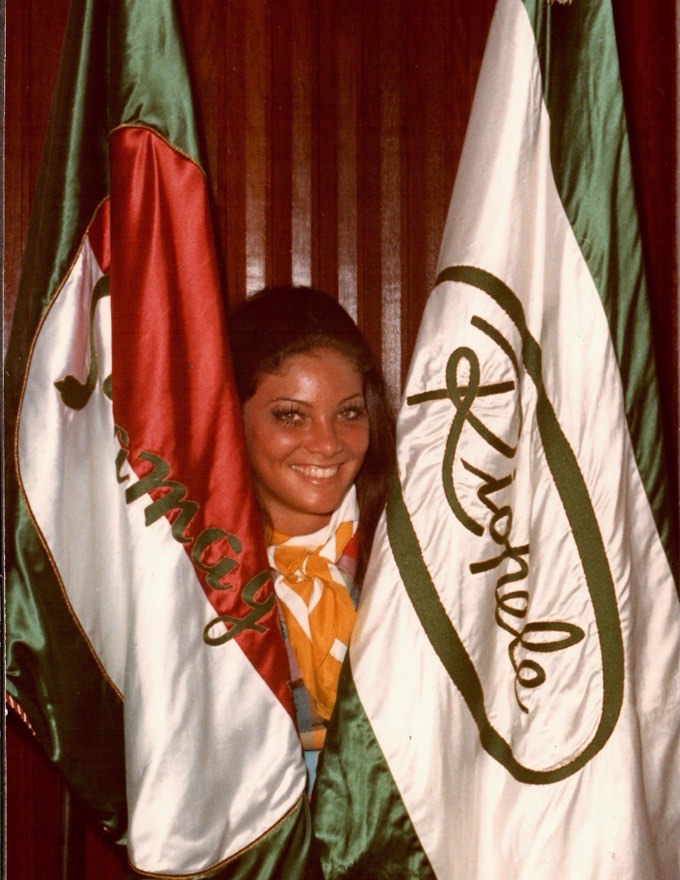
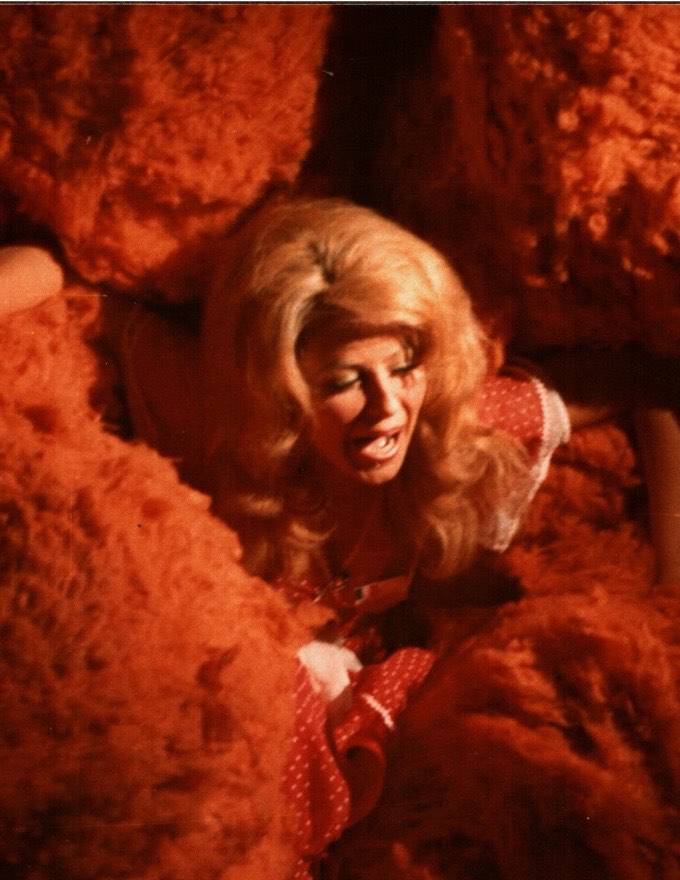
The Riopele factory welcomed the contestants of the Miss Europe pageant, reflecting the company’s growing international reputation.
During their visit, the contestants were photographed and filmed wearing garments made from Riopele fabrics, helping to showcase a Portuguese textile industry that was becoming increasingly modern, sophisticated and export-oriented.
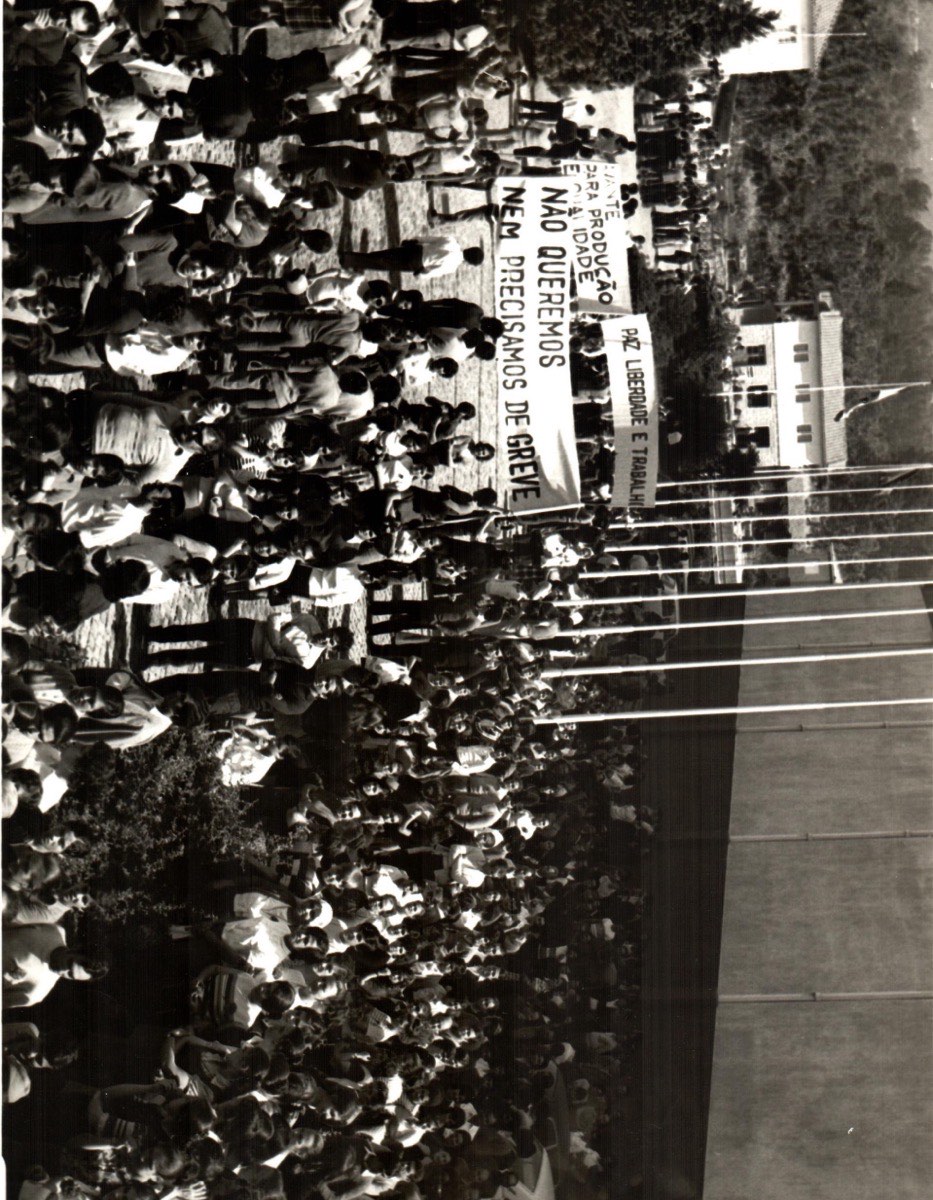
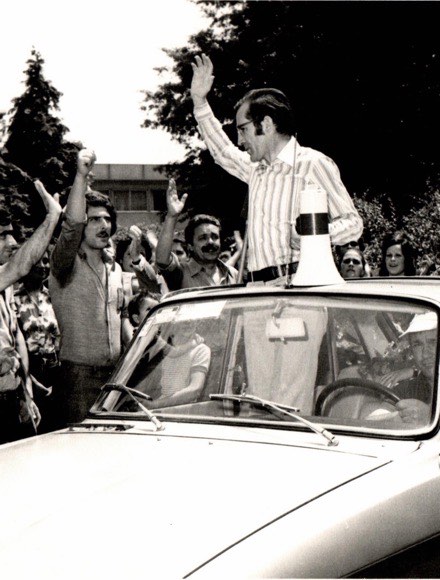
As Portugal experienced a wave of strikes following the Carnation Revolution of 25 April, with workers reclaiming their trade union freedoms and raising labour issues that had been suppressed during the dictatorship, the vast majority of Riopele employees chose to continue working. Aligned with the company’s management, they defended the continuity of production.
The case attracted national attention and highlighted an uncommon reality within the political and social context of the time.
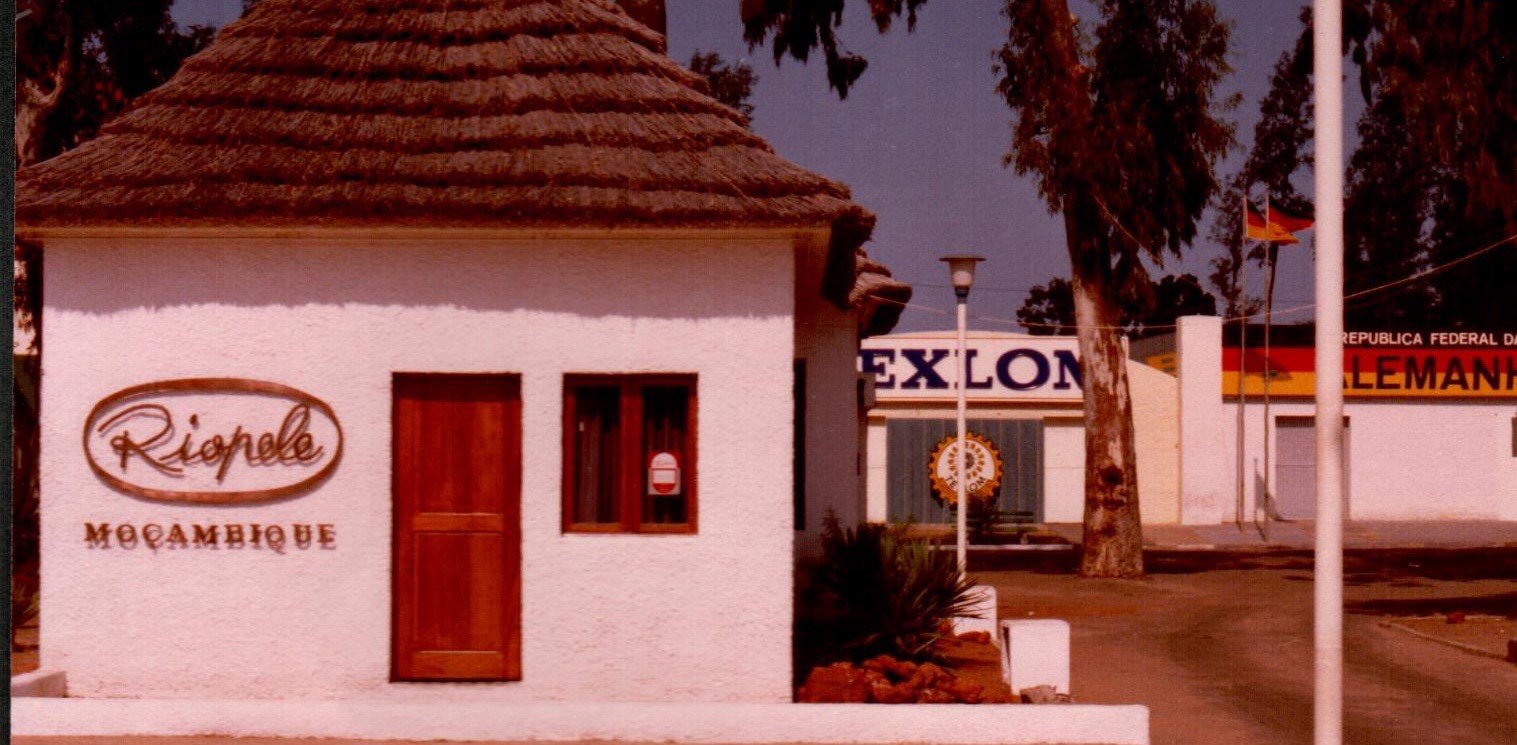
Riopele expanded beyond Portugal by opening a factory in Mozambique, focused on the production of fabrics made from man-made and synthetic fibres.
With a vertically integrated operation — from dyeing to finishing — the company reinforced its clear ambition for international growth.
The 1980s marked a turning point for the Portuguese textile industry.
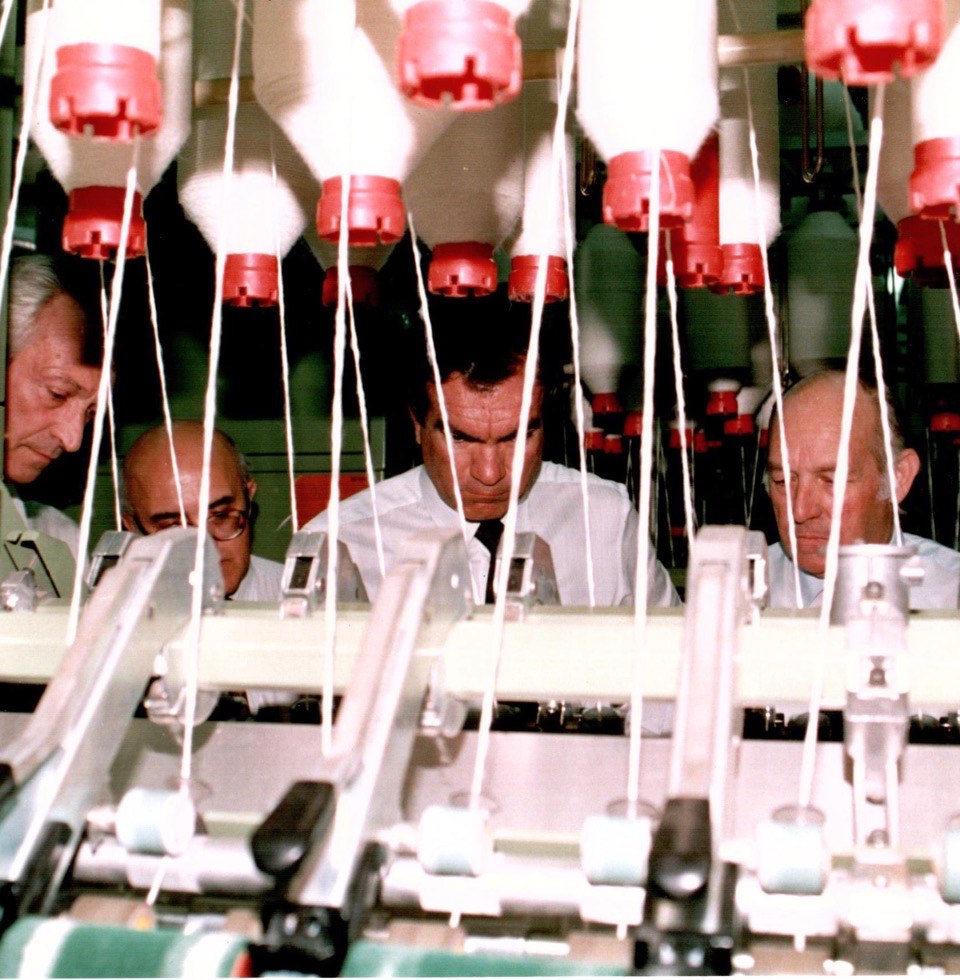
With the loss of the low-cost labour advantage following the Carnation Revolution and the growing competition from Asia, the sector faced a new wave of competitive pressure.
Despite these challenges, Riopele continued to grow by strengthening its commitment to modernisation and workforce development. Through investment in technology, organisational restructuring and greater operational efficiency, the company prepared itself for a new phase — more demanding and increasingly focused on international markets.
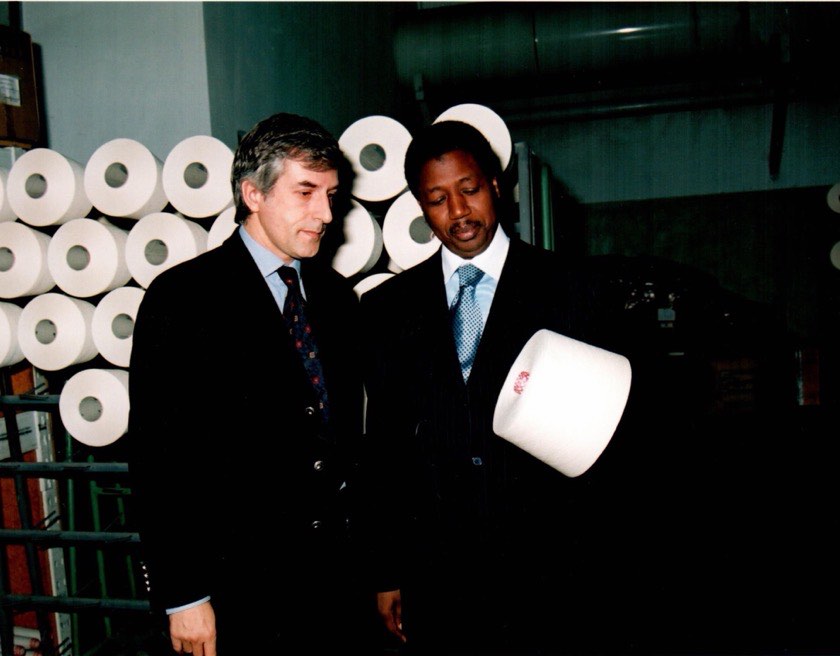
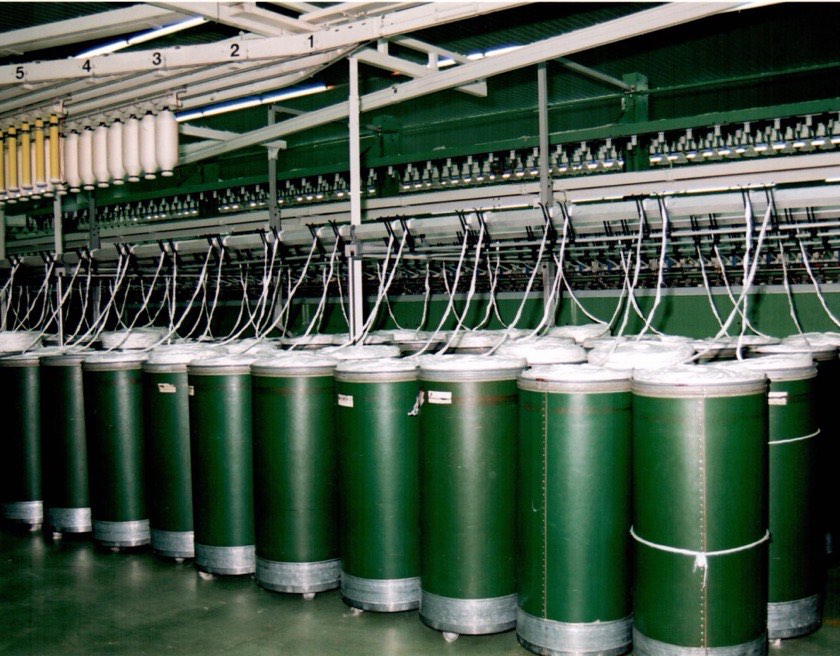
Riopele acquired the Olifil spinning mill, strengthening its vertical integration and securing greater control over yarn supply.
Supported by investment and modernisation, the acquisition reduced external dependency and reinforced the reliability of the company’s production.
Made to order -
not made for
the warehouse.
As part of a broader production restructuring strategy, the
company’s traditional manufacturing model, based on
large-scale production for stock, was gradually replaced by a
new approach focused on fabrics for the premium and
upper-premium market segments.
Production became
increasingly demand-driven, with shorter lead times,
strengthening customer proximity and manufacturing flexibility
through a made-to-order model rather than production for stock.
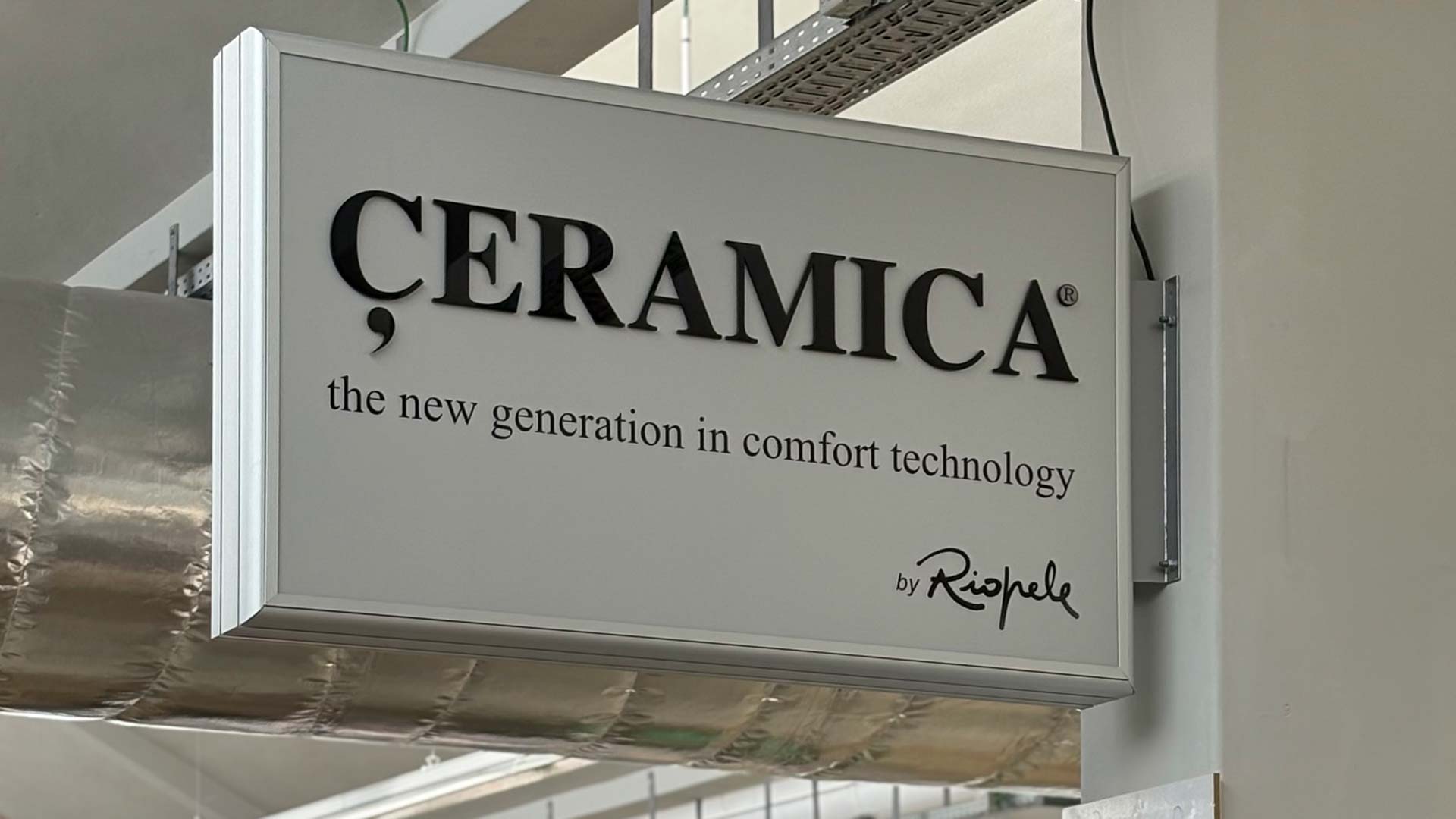
Riopele launched Çeramica, one of the company’s most innovative and recognised brands.
Reinforcing its commitment to developing high-performance fabrics that combine breathability and comfort, in line with the easy-care concept.
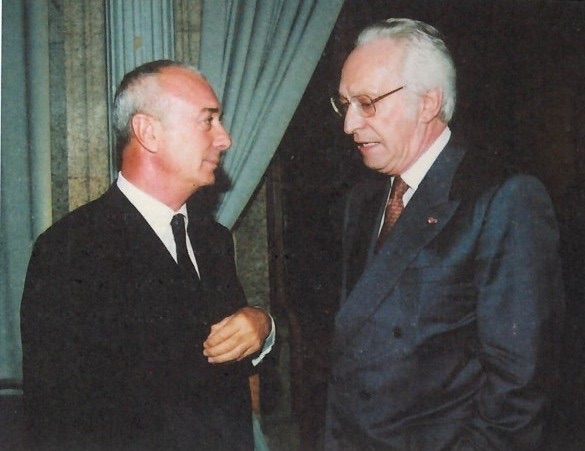
This year was also marked by the strategic alliance with Spanish designer Niki Bosch, a partnership that proved instrumental in accelerating the internationalisation of Riopele’s collections and opening the doors to the world’s leading fashion hubs. As a result, the company’s fabrics became widely present across global ready-to-wear supply chains.
Following its quality certification, Riopele strengthened its commitment to environmental and safety certifications, adopting a proactive approach to these areas. This evolution helped consolidate internal practices aligned with sustainable development and the responsible use of natural resources.
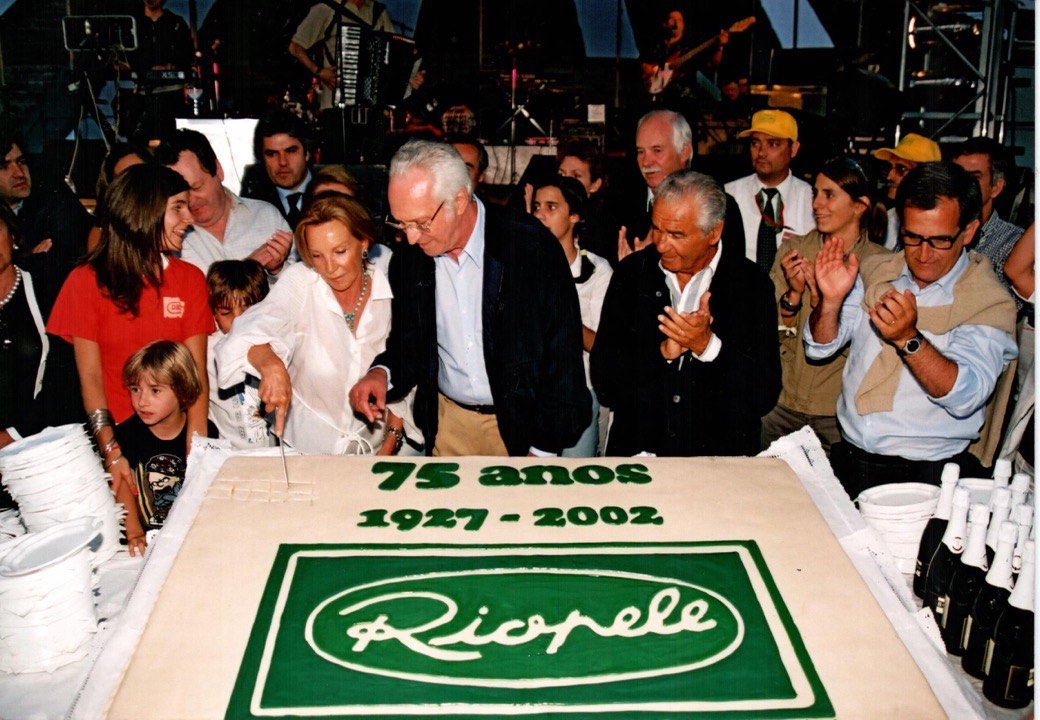
75 years · a founder’s centenary
Riopele celebrated two important milestones: its 75th anniversary and the centenary of its founder, José Dias de Oliveira. The celebrations brought together employees and the local community in an event that remains vividly remembered - a moment of shared recognition, remembrance and pride.
Riopele Fashion Solutions
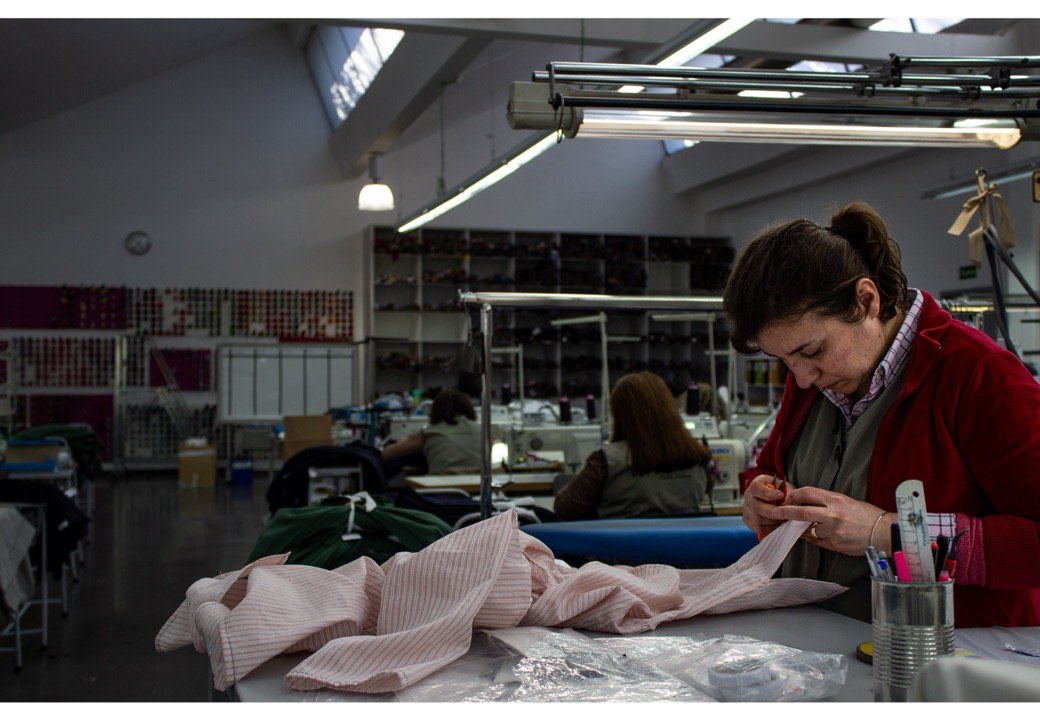
Riopele Fashion Solutions (RFS) was established as part of a strategic initiative to simplify customers’ supply chains. By integrating the production of premium luxury garments into its offering, the company further strengthened the Group’s vertically integrated business model.
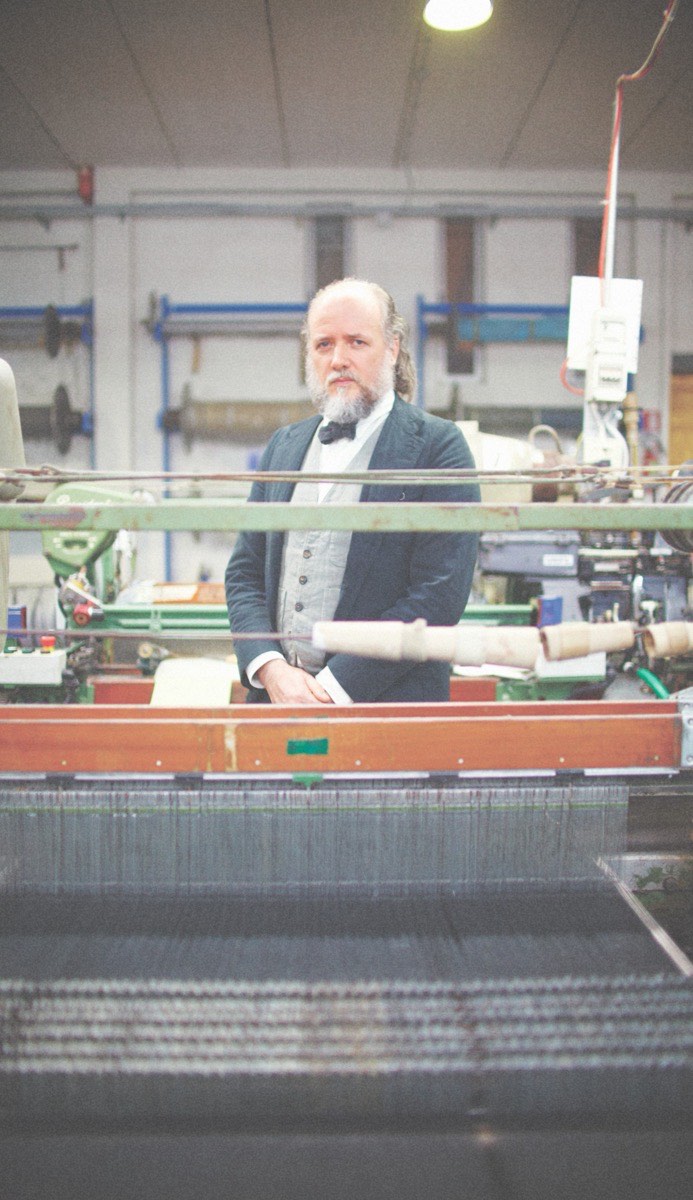
Riopele established a strategic partnership with Italian textile group Bonotto through the launch of the RB88 fabric line, marking the start of a collaboration that continues to this day.
Founded in 1912 and now led by Giovanni Bonotto, the fourth generation of the family, Bonotto is a leading name in the Italian textile industry. The partnership brings together the expertise and creativity of both companies.
Riopele becomes the first textile company to implement SAP, a business management system that brings together data and processes from across the company on a single platform.
By centralising information and making it accessible in real time, the system transforms the way the company works, connecting departments and providing a unified view of its operations.
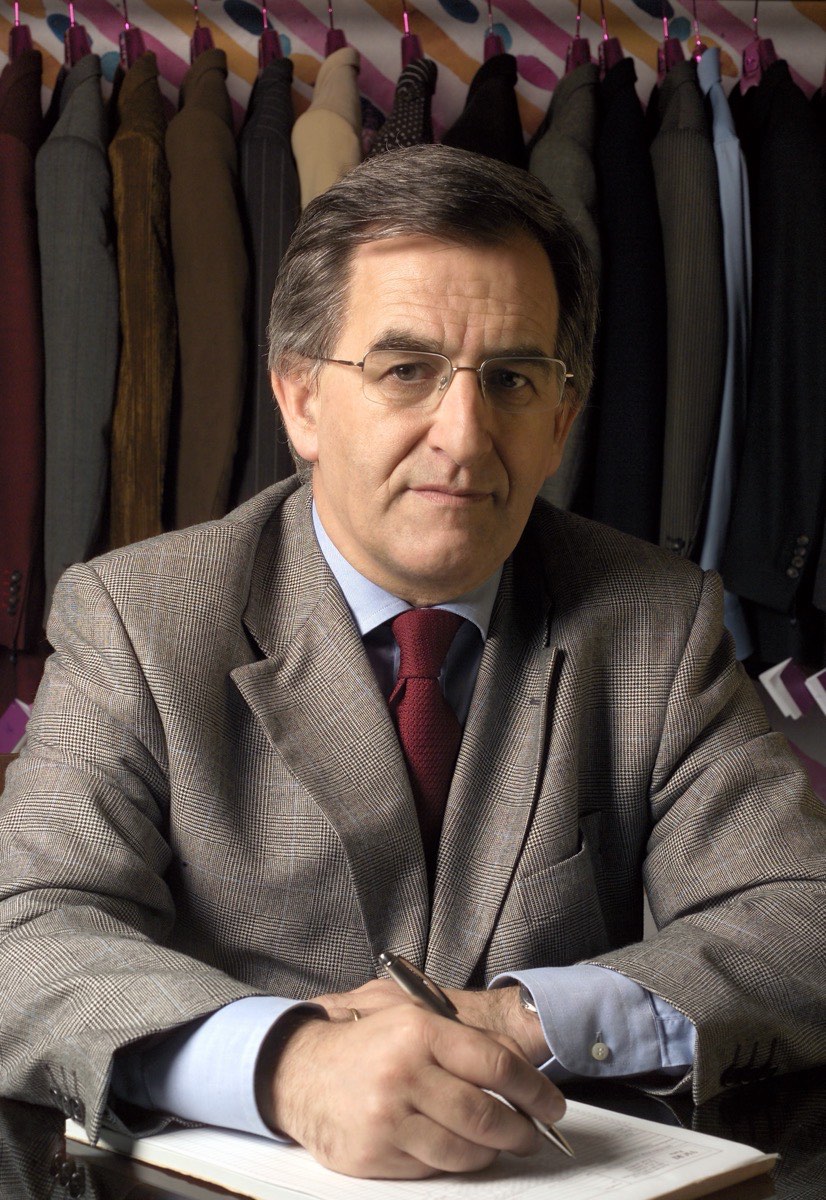
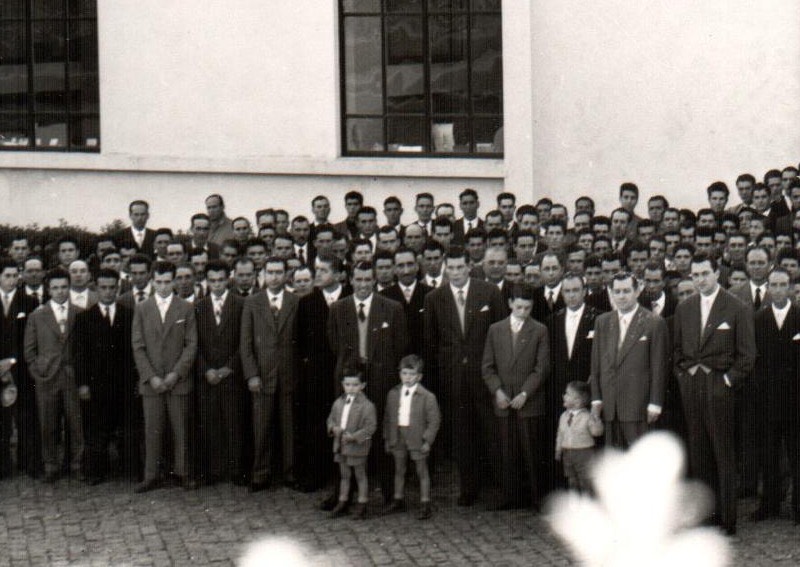
José Alexandre Oliveira, the family’s third generation, officially joined Riopele in 1977, although photographs from the time show he had been visiting the factory since the age of five.
Aged five, on the factory floor
Following his father’s advice, he began his career on the factory floor, where he spent 30 years driven by an insatiable curiosity. That experience helped shape the Riopele of today: vertically integrated, innovative, sustainable and future-oriented, while remaining deeply connected to its roots, the community of Pousada de Saramagos, and the company’s longstanding social commitment.
In 2007, he became President of Riopele. In 2013, he acquired full ownership of the company’s share capital.
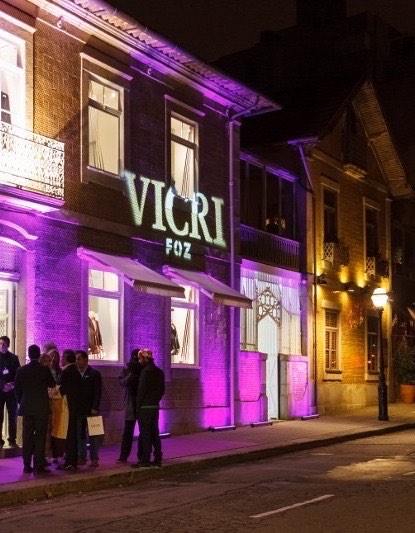
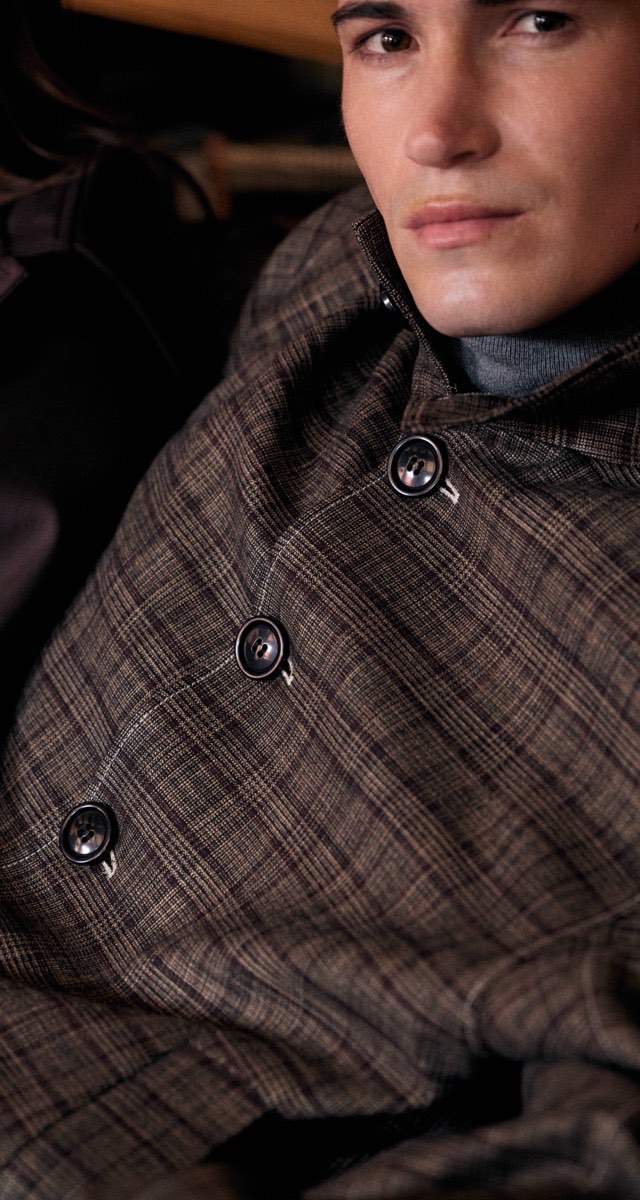
Riopele entered the apparel business in 2003 with the acquisition of the Portuguese brand Vicri, strengthening its presence further down the value chain.
Internationally recognised and worn by the figures above, the brand established itself as a benchmark in the luxury menswear segment. In 2010, the opening of its first retail store in Portugal marked a new chapter: bringing the brand closer to the end consumer and consolidating an omnichannel strategy.

15million euros invested
Riopele accelerated its transformation with a €15 million investment, focused on upgrading its offering and moving closer to the creative process. The company modernised its industrial facilities, strengthened its teams and established a new Research & Development Centre, evolving from a manufacturer to a company that also creates.
14million euros, spinning to finishing
1 800m² dedicated to innovation
In response to the growing demands of an increasingly diverse market, Riopele invested more than €14 million across its entire production chain - from spinning to finishing.
The investment increased both scale and flexibility, enabling the company to develop thousands of fabric references and combine different natural and synthetic fibres.
That same year, Riopele inaugurated a 1,800 m² Innovation Centre, which today is home to more than 80 professionals dedicated to research and product development.
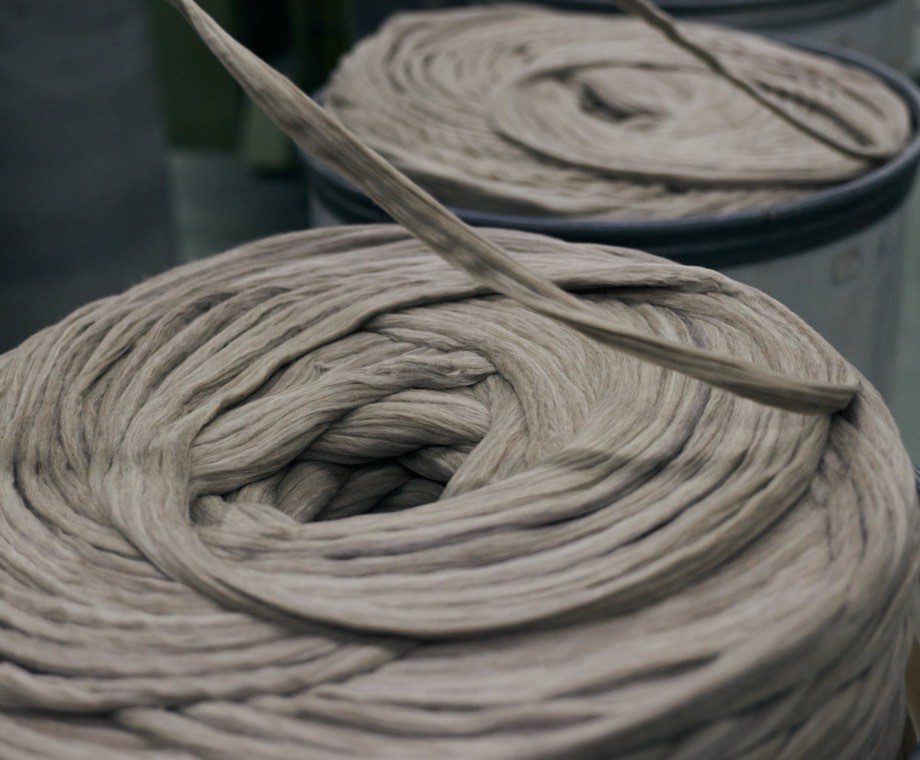
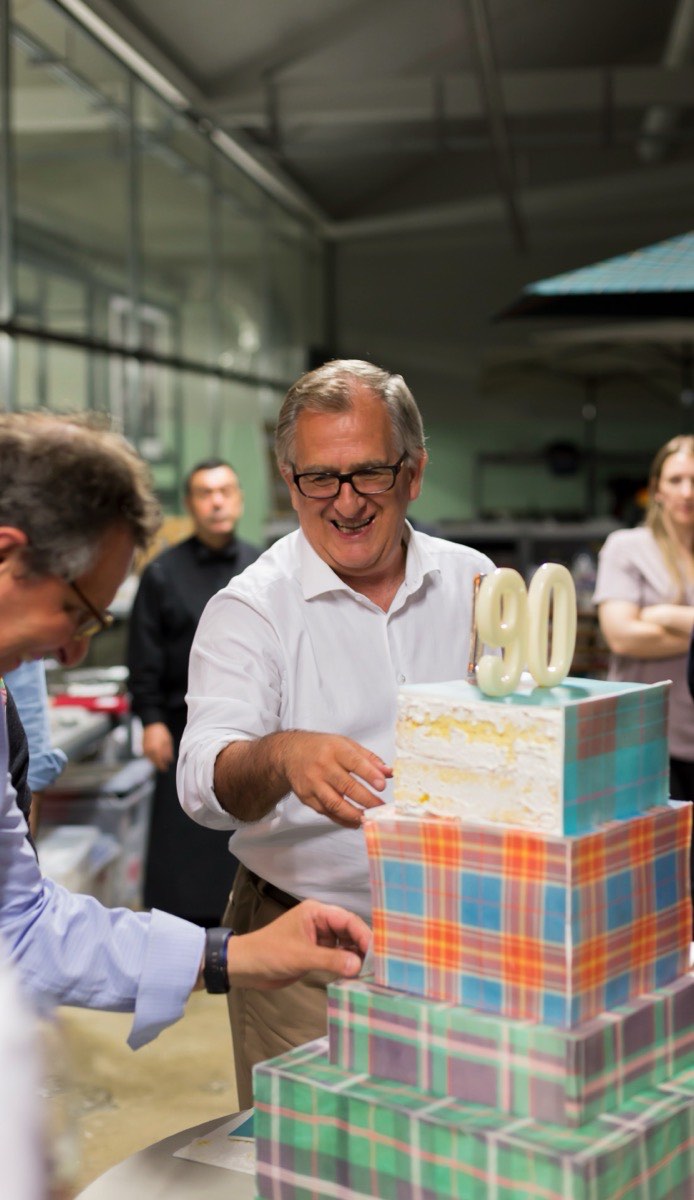
90years of Riopele
Tenowa · Textiles no Waste
As Riopele celebrated its 90th anniversary, it launched Tenowa (Textiles No Waste).
A fabric brand designed to minimise environmental impact by recycling and reusing waste generated through the conventional textile manufacturing process.
Sustainability became a tangible commitment with the installation of Riopele’s first photovoltaic power plant, marking the beginning of the company’s own renewable energy strategy.
That same year, Tenowa received three prestigious awards.
In 2019, Riopele achieved its seventh consecutive year of growth, driven by a profound transformation.
Initiatives such as RiopeleTech – Fabrics4Future and Textiles4Life placed circular economy principles and digitalisation at the heart of the company’s operations. At the same time, the Horizonte programme introduced new management tools — R People+, R KPI+ and R Mind+ — redefining the way the company manages its people, performance and data.
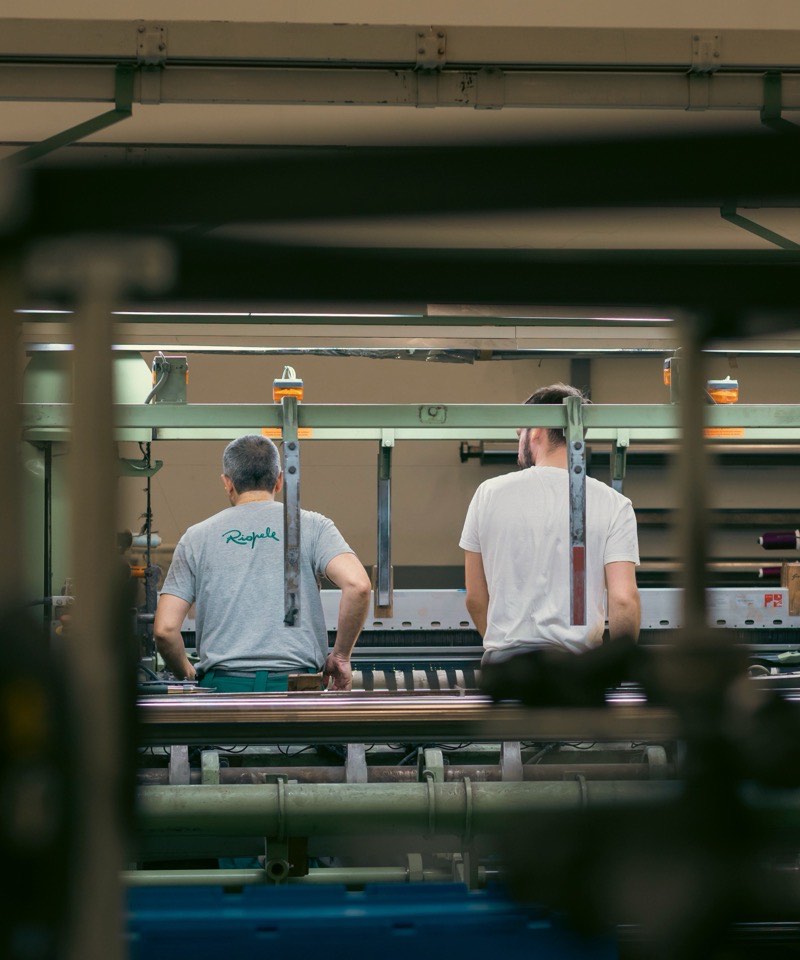
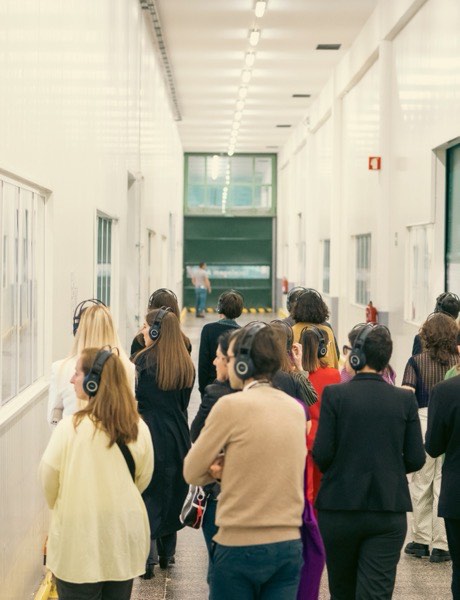

Riopele unveils its first collection in the metaverse, allowing clients to explore fabrics and see how they look in highly realistic digital garments. The initiative supports clients’ digital transition and aims to speed up collection development while reducing waste from physical samples.
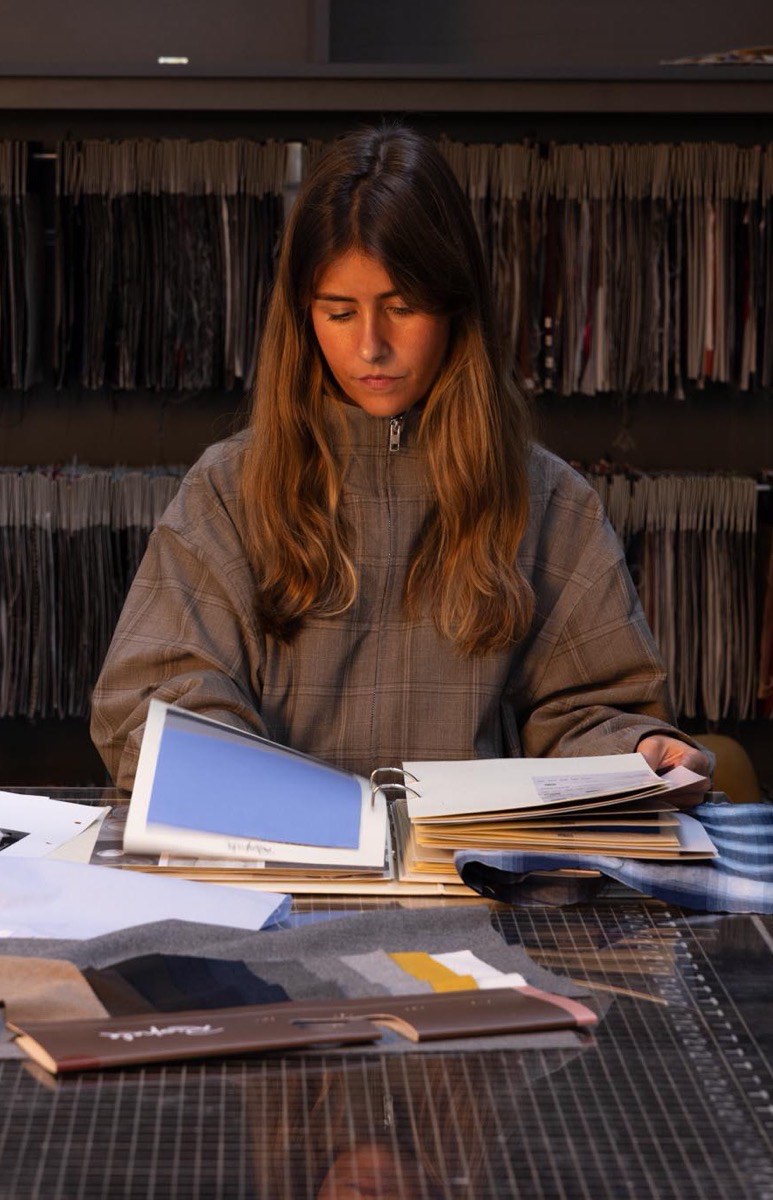
In 2023, Riopele entered a new chapter with the arrival of the fourth generation of the Oliveira family.
98.4million euros · a record, up 6.4%
Francisca Oliveira took on responsibilities in business development during a year in which Riopele achieved a record turnover of €98.4 million, representing 6.4% growth. Later that year, she became the first woman to join Riopele’s Board of Directors.
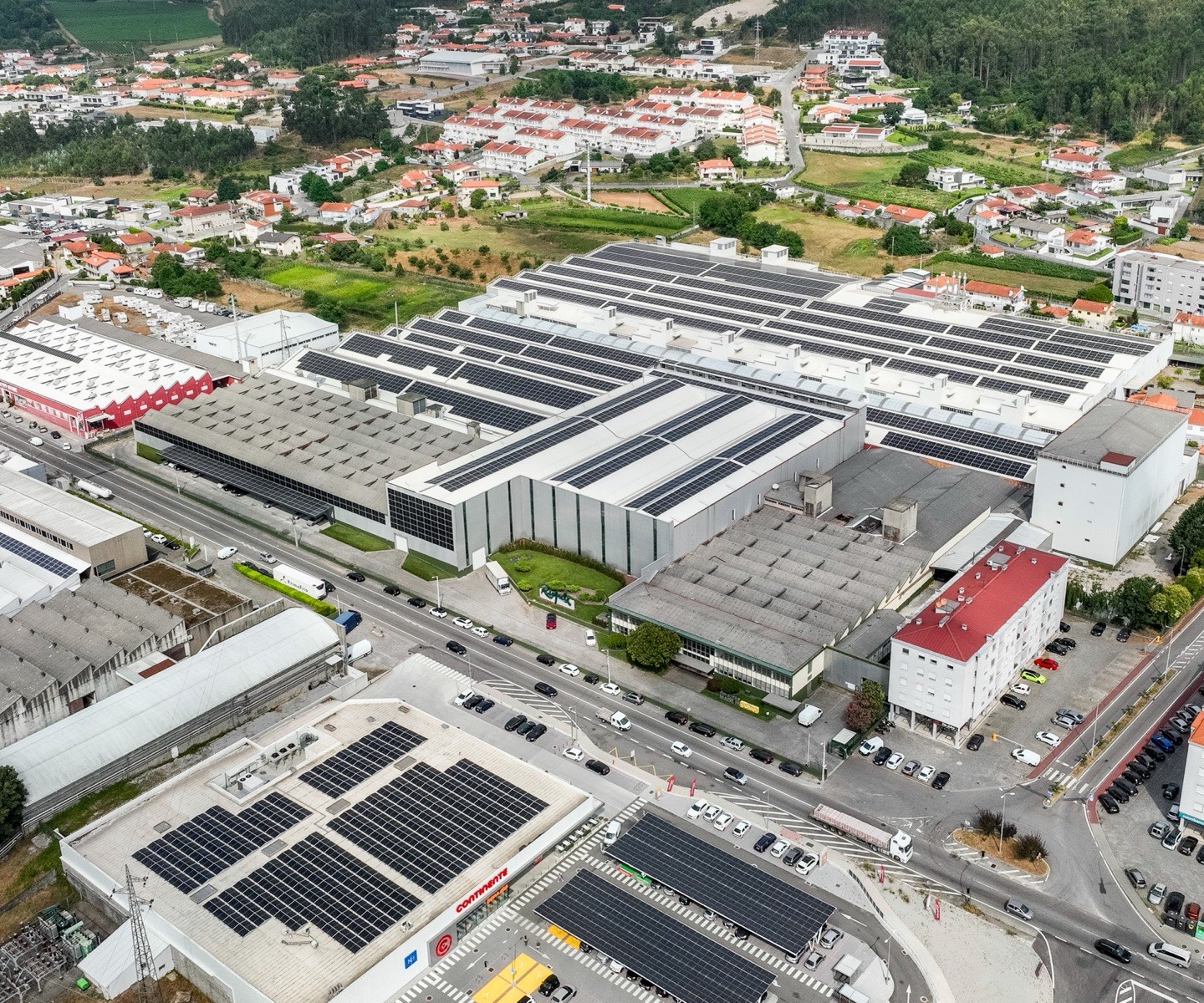
30%of energy from self-consumption
Riopele inaugurated its third photovoltaic park, further strengthening the company’s energy autonomy. The new installation complements the existing solar facilities, increasing the share of energy generated for self-consumption to around 30%.
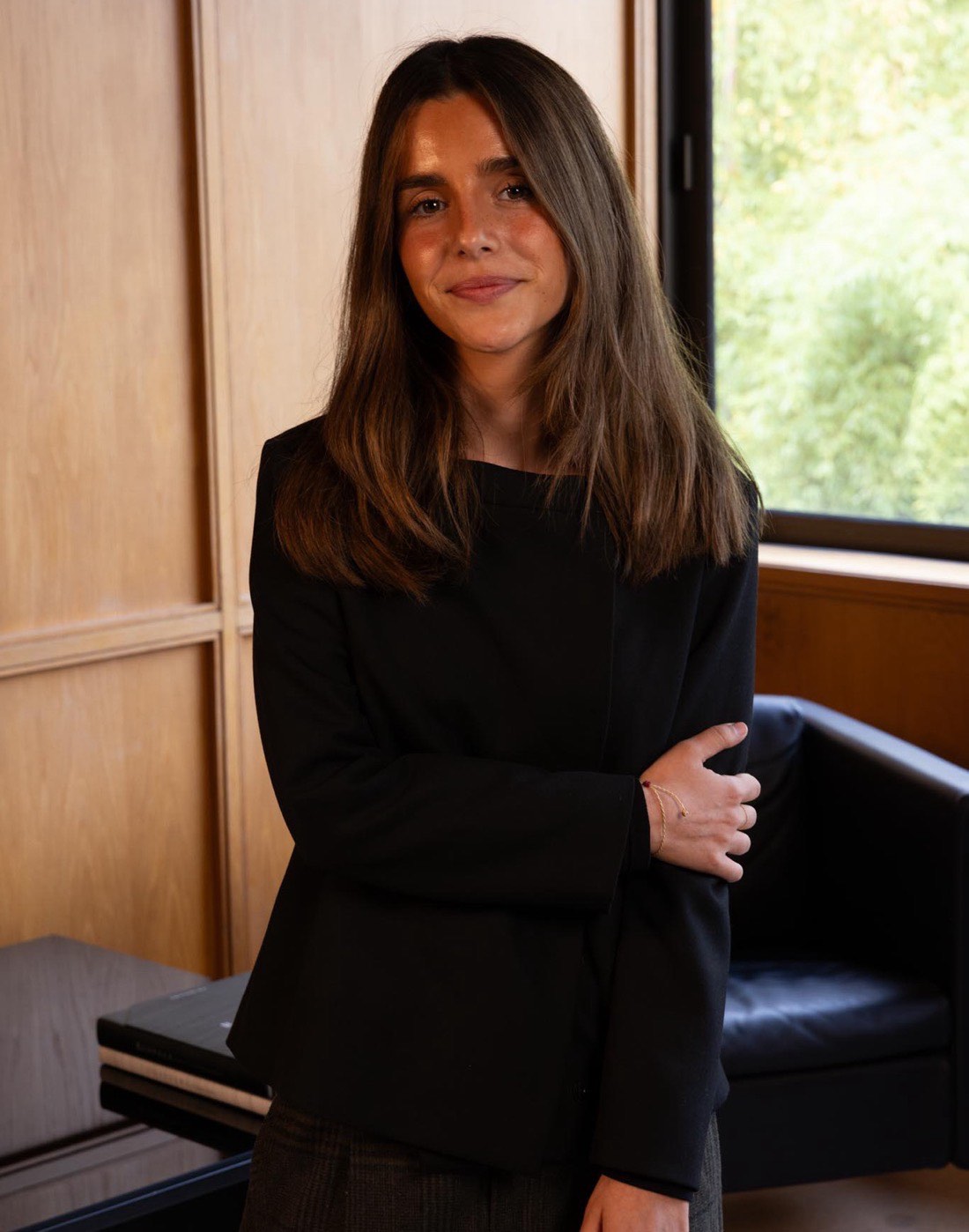
Alexandra Oliveira joins Riopele, becoming the second member of the fourth generation to enter the company and continuing its family legacy.
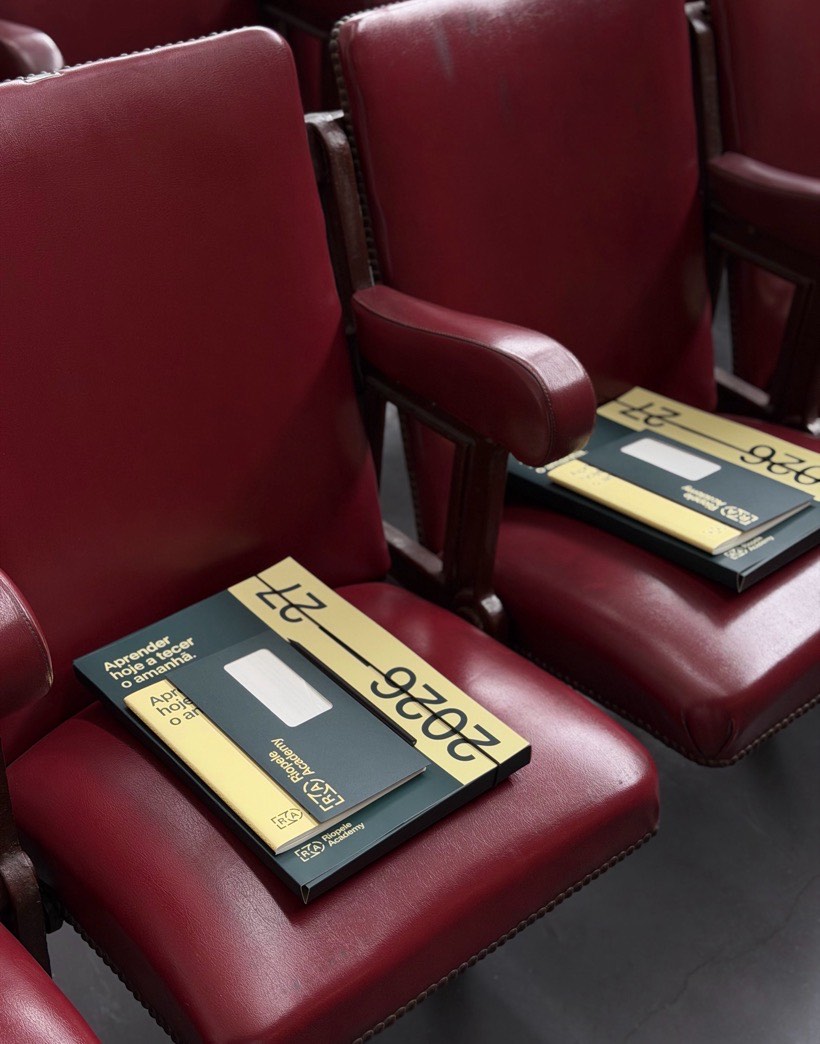
With almost 100 years of history, Riopele launches the Riopele Academy to pass on knowledge and develop skills for the future of the textile industry.
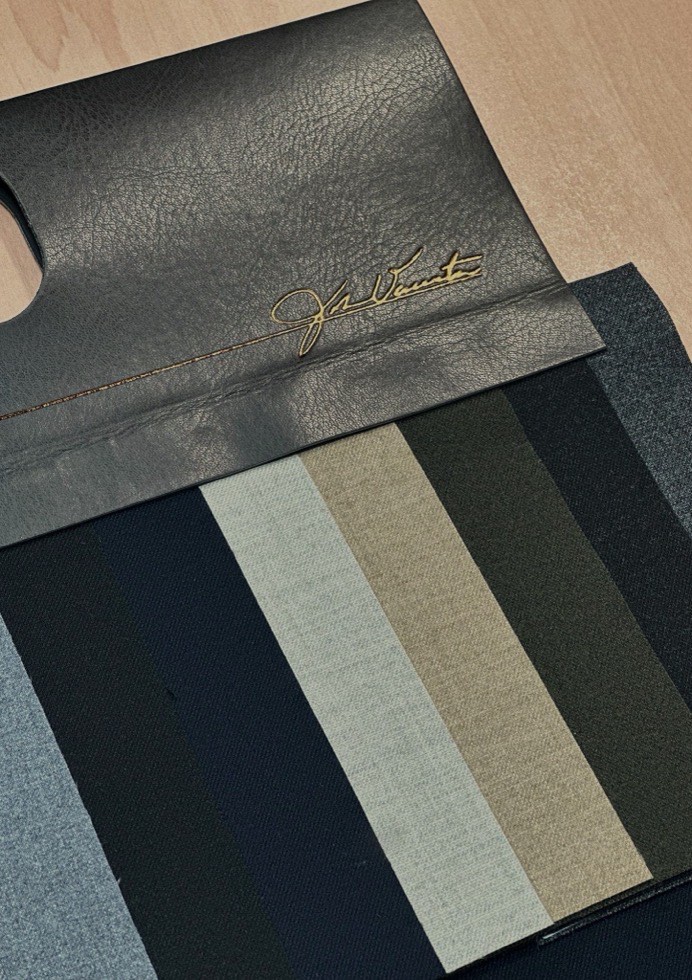
Riopele joins forces with American designer John Varvatos to develop a collection of menswear fabrics, bringing his creative vision together with the company’s textile expertise. The collaboration marks a further step in Riopele’s expansion into menswear.
A century of thread, woven without pause.
The story continues ↓Archival Fabrics